

Having a thankful heart is a powerful way to cultivate happiness in our lives. When we focus on the things we’re grateful for, it shifts our perspective. It helps us appreciate the good things.
regularly can lead to a more fulfilling life. It encourages us to look beyond our challenges. It helps us find joy in everyday moments.
By embracing a mindset of gratitude, we can experience a profound impact on our well-being. This mindset allows us to navigate life’s ups and downs with a more positive outlook.
Understanding the Essence of Gratitude
Gratitude is a choice that can greatly improve our well-being. It’s not just about being thankful for things. It’s about valuing the details of life and the people in it.
Gratitude is more than just saying thanks. It’s about being thankful for who God is and what He does. This shows the deep meaning of this feeling.
The essence of gratitude lies in its ability to transform our perspective. By focusing on what we are thankful for, we move away from negative thoughts. This helps us have a more positive outlook.
“Gratitude makes sense of our past, brings peace for today, and creates a vision for tomorrow.” This quote shows how gratitude affects our life outlook.
Understanding gratitude means seeing its different forms and how to practice it every day. It’s about being present and seeing the beauty around us.
Cultivating gratitude is a journey, not a destination. It takes effort and dedication, but the benefits are huge. By making gratitude a part of our daily lives, we can deeply improve our mental and emotional health.
The Benefits of Practicing Gratitude
Practicing gratitude can change our lives for the better. It helps us focus on what we’re thankful for. This shift can greatly improve our mental and physical health.
Studies show that those who practice gratitude regularly have lower stress levels and better mental health.
Gratitude helps us feel less stressed and anxious. When we’re grateful, we live more in the moment. We worry less about the future and past.
This leads to a calm and happy feeling. It’s key for our health.
Reduced Stress and Anxiety
Gratitude is good for our mental health. It makes us see things more positively. This is helpful when we’re facing tough times.
Gratitude is a powerful tool that can help us navigate life’s challenges with greater ease and resilience. By making gratitude a part of our daily lives, we can become more positive and improve our well-being.
Simple Ways to Cultivate Gratitude Daily
Adding gratitude to our daily routine can greatly boost our mental health. It’s not just about feeling thankful. It’s about seeing the good in life.
Gratitude journaling is a great way to focus on the positive. By writing down what we’re thankful for each day, we shift our focus from what’s lacking to what we already have.
Sharing gratitude with others can make our relationships stronger. Saying thank you to someone can make their day better and strengthen our own gratitude.
Small actions like writing a thank-you note or giving a compliment can spread joy. Even saying thanks to God or a higher power can deepen our connection and peace.
To make gratitude a daily habit, add it to your routine. Set a reminder to write in your gratitude journal or share your thanks with a loved one at the same time every day.
By following these simple steps, we can become more grateful and improve our well-being. The key is to be consistent and make gratitude a part of our daily lives.
Gratitude and Mental Health
Gratitude is key for good mental health and well-being. It’s more than just saying “thank you.” It’s about seeing the good in life.
Research shows that those who are grateful feel less stressed and anxious.
The Science Behind Gratitude and Mental Health
Studies say gratitude boosts mental health by making us more resilient. Focusing on what we’re thankful for helps us see things more positively.
Gratitude Practices for Mental Wellness
Adding gratitude to your day is easy. Try keeping a gratitude journal to list what you’re thankful for each day.
Sharing gratitude with others is also powerful. A kind word or a note can make a big difference.
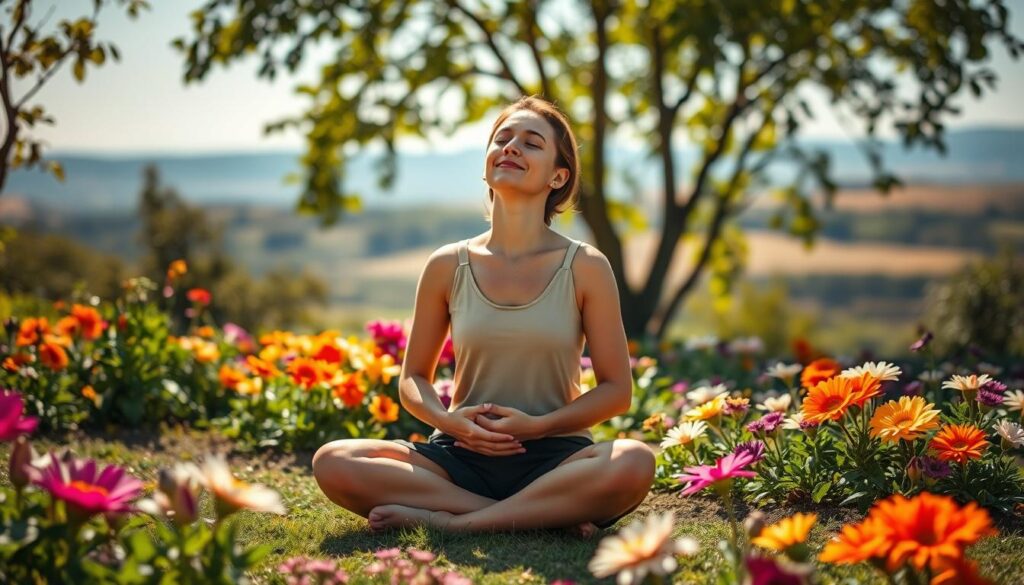
Research backs up gratitude’s role in mental health. For example, those who practiced gratitude felt happier and less stressed than others.
Expressing Gratitude in Relationships
Showing gratitude in relationships can make bonds stronger and connections deeper. When we thank our loved ones, it makes them feel valued. It also creates a positive and supportive space.
There are many ways to show gratitude, like writing thank-you notes or giving surprise gifts. The key is to be genuine and sincere. Studies show that saying thanks can make relationships happier and more committed.
Building strong relationships means noticing and thanking others for their efforts. By doing this, we make our relationships more loving and harmonious. It’s about the little things and saying thanks for them.
In short, adding gratitude to our daily interactions with loved ones can greatly improve our relationships. It’s a simple yet powerful way to create stronger, more meaningful bonds.
Gratitude During Difficult Times
Gratitude can make us stronger when things get tough. It’s easy to feel overwhelmed by challenges. But, thinking about what we’re thankful for can change how we see things.
Gratitude isn’t about ignoring problems. It’s about finding the courage to get through them. Studies show that gratitude in difficult times can improve our mental health. It helps us deal with anxiety and stress better.

Keeping a gratitude journal can be very helpful. It helps us focus on the good things in our lives, even if they seem small. This can give us hope and make us more resilient, helping us face adversity with strength.
Also, saying thank you to others can make our relationships stronger. When we’re struggling, thanking someone can offer comfort and help.
In short, gratitude in hard times isn’t about ignoring problems. It’s about finding the strength to overcome them. By making gratitude a part of our daily lives, we can stay positive, even when faced with adversity.
The Role of Gratitude in Achieving Goals
Gratitude is a powerful tool that helps us achieve our goals. It makes us look at the positive side of things. This way, we see opportunities instead of obstacles, boosting our motivation and strength.
Studies show that people who are grateful are more optimistic. This optimism can lead to success in reaching their goals. Gratitude makes us see challenges as chances to grow, not as threats to our success.
To use gratitude in your goal-achieving plan, start a gratitude journal. Write down three things you’re thankful for each day. This habit helps keep your mind positive and focused on your goals.
Key Strategies for Leveraging Gratitude in Goal Achievement:
- Daily Gratitude Practice: Do a daily gratitude practice, like journaling or meditation, to stay positive.
- Reframe Challenges: See challenges as chances to grow, not as barriers to success.
- Express Gratitude to Others: Share your thanks with others, like with a note or a kind word, to build strong relationships and a supportive network.
By making gratitude a part of our daily lives, we can boost our well-being and goal achievement. Gratitude makes us more resilient, focused, and likely to succeed in our goals.
Innovative Gratitude Practices
In today’s world, stress and anxiety are common. Yet, we can fight them with gratitude. By using unique ways to show thanks, we can focus on the good and grow stronger against life’s ups and downs.
Keeping a gratitude journal is a great start. Write down three things you’re thankful for each day. It’s simple but can deeply improve your mood. You can also try a gratitude jar. Write down things you’re thankful for on slips of paper and think about them later in the week or month.
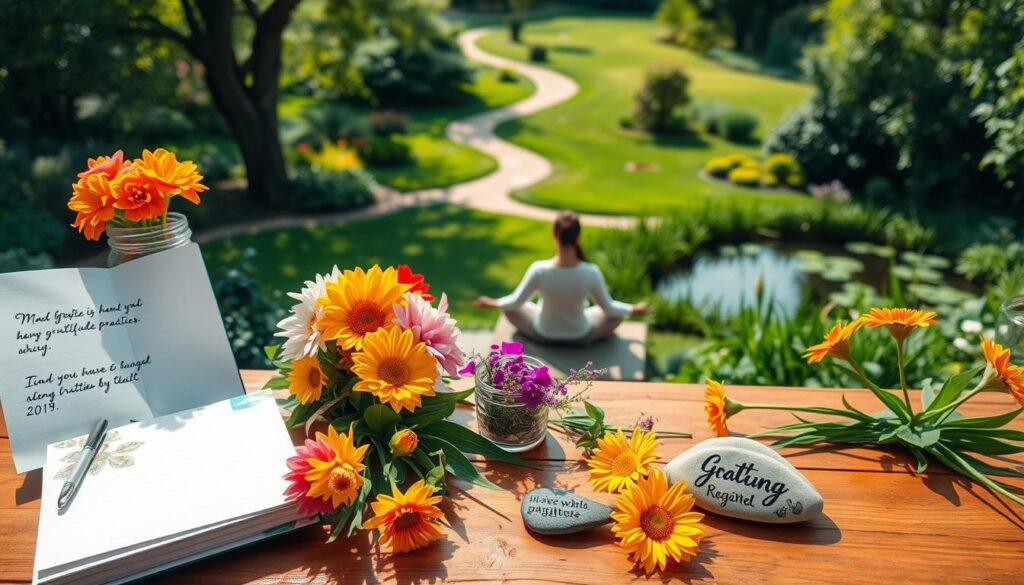
Also, take a few minutes each day to think about what you’re thankful for. You can do this during meditation, before bed, or on your way to work. The important thing is to make gratitude a regular part of your day.
By trying these innovative gratitude practices, you can see life in a more positive light. Whether it’s through writing, sharing thanks with others, or just taking a moment to reflect, gratitude truly changes lives.
The Cultural Perspectives of Gratitude
Gratitude is a universal concept found in many cultures. Yet, how it’s expressed and its significance vary greatly. This shows a rich tapestry of practices and expressions.
In Eastern cultures, gratitude is closely tied to spiritual practices. For example, in Buddhism, it’s seen as key to a balanced life. Practitioners use meditation and mindfulness to focus on the connection between all beings.
Western cultures, on the other hand, often show gratitude through words and actions. In the United States, Thanksgiving is a holiday to thank for the harvest and past year’s blessings. Families and friends come together to share a meal and talk about what they’re thankful for.
“Gratitude unlocks the fullness of life. It turns what we have into enough, and more.” Melody Beattie’s quote captures the essence of gratitude. It shows how gratitude can change our view of life.
Gratitude in Daily Life Across Cultures
In many African cultures, gratitude is shared through communal activities and stories. For example, evening meals are a time to share stories and thank for the day’s blessings. This strengthens social bonds and community.
In Japan, “kansha” (gratitude) is a big part of the culture. People show thanks for everyday things, like service or food. Saying “itadakimasu” before meals is a way to thank for the food and effort in making it.
The Universal Language of Gratitude
Despite cultural differences, gratitude’s value is widely recognized. It improves well-being and builds positive relationships. As the world connects more, understanding these diverse views on gratitude can enrich our own practices and relationships.
“When we focus on our gratitude, the tide of disappointment goes out and the tide of love rushes in.” – Kristin Armstrong
This section has shown the rich diversity of gratitude across cultures. It highlights both unique practices and the universal importance of gratitude in our lives.
Teaching Gratitude to Children
Teaching kids to be thankful is a key skill for life. Parents and caregivers can start this early. It helps kids see the good in life and build strong bonds with others.
Gratitude is more than just saying “thank you.” It’s about feeling thankful and living a richer life. Children who are thankful are often happier and stronger when facing tough times. A great way to teach this is by having a family tradition, like sharing three things you’re thankful for at dinner.

Adults have a big role in showing kids what it means to be thankful. When adults show gratitude, kids learn it’s important. Writing thank-you notes or saying thanks to others is a great way to show gratitude.
“When we focus on our gratitude, the tide of disappointment goes out and the tide of love rushes in.” – Kristin Armstrong
Gratitude can be part of kids’ daily routines. For example, before bed, ask them to think about the day and what they’re thankful for. This helps them feel grateful and think positively.
By making gratitude a daily part of kids’ lives, we help them appreciate the good things. This can lead to stronger relationships and a brighter future.
Embracing a Lifestyle of Gratitude
Choosing to live with gratitude means we focus on the good things in life. It changes how we feel and live every day. Making gratitude a regular part of our lives is key.
Studies show that being consistent with gratitude is vital. It helps us see the world in a more positive light and boosts our mental health. Keeping a gratitude journal or saying thanks to others can help start this habit.
As we grow in gratitude, we can try different ways to stay thankful. Living with gratitude leads to a more rewarding life. It’s built on appreciation and thankfulness.