
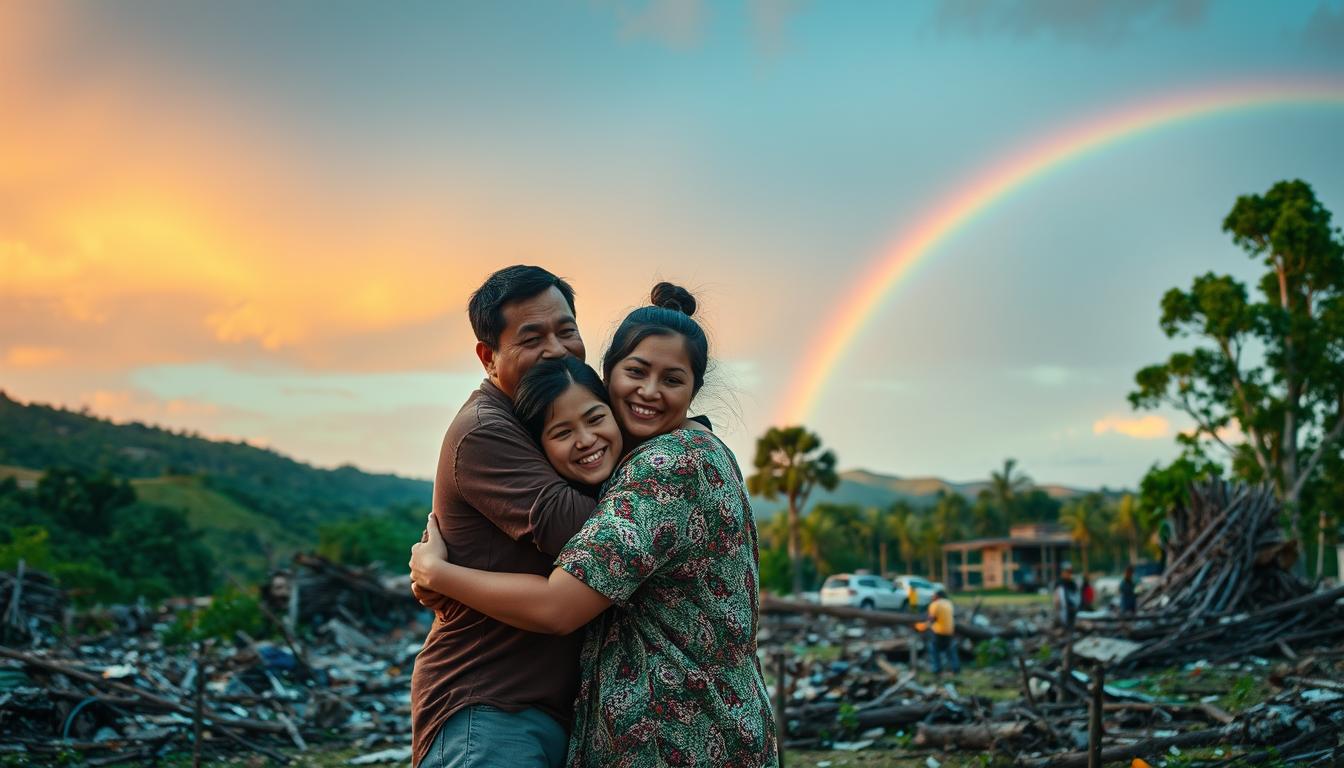
Going through a natural disaster can be very tough. It leaves people feeling shaken and looking for relief. The feelings that follow are complex, as the full impact of the event becomes clear.
Everyone’s journey to recovery is different. It depends on their personal experiences and how bad the disaster was. When communities start to rebuild, the need for recovery efforts becomes obvious.
By sharing our stories and getting advice from experts, we can learn more about finding relief after a storm. We also see the steps needed for a full recovery.
Understanding the Aftermath of Life’s Storms
It’s important to understand the emotional impact of life’s storms to heal and move on. Natural disasters can deeply affect our minds, causing anxiety, depression, and even PTSD. Recognizing these effects is key to recovery.
After a storm, people often feel shocked and struggle to deal with the loss. Mental health becomes a big concern as the full extent of the damage becomes clear. Many feel stressed and anxious, which can disrupt daily life.

The effects on mental health can differ greatly from person to person. Some might feel just a bit stressed, while others could face serious issues like PTSD or depression. Knowing these possible effects helps in supporting and getting the right help.
Seeing the signs of anxiety and other mental health issues is the first step to healing. By acknowledging the emotional impact of storms, we can start to rebuild and recover. This journey leads to better mental health and well-being.
Common Types of “Storms” We Weather
“Storms” are not just about weather. They also include challenges that test our inner strength. These can be natural disasters or personal crises, each needing its own way to cope.
Natural disasters like hurricanes, earthquakes, and floods are big “storms.” They can cause a lot of trauma, affecting lives and communities. After these events, we need to be resilient and find ways to recover and rebuild.

On a personal level, “storms” can be emotional challenges like grief, anxiety, or depression. These inner battles need strong coping mechanisms to get through. Building resilience helps us heal and move on.
“The greatest glory in living lies not in never falling, but in rising every time we fall.” – Nelson Mandela
Societal and global issues, like economic downturns, political unrest, or health crises, are also “storms.” They affect communities and individuals. In these times, working together and using shared coping strategies is key to overcoming them.
It’s important to understand the different kinds of “storms” and how they affect our mental health. By recognizing the various traumas and stressors, we can develop better ways to build resilience and recover.
In conclusion, the “storms” we face are diverse and complex. They require different coping strategies and a strong foundation of resilience. By exploring these challenges and how to tackle them, we can work towards healing and growth.
The First Signs of Relief: What to Look For
Knowing the first signs of relief is key to moving forward after a storm. This could be a personal crisis or a big life challenge. The early signs of relief are often small but very important.
Feeling more grounded is one of the first signs. This means feeling stable and calm again. People can start doing their daily things and feel better about handling their emotions.

Going back to routines is another big sign. Doing things as usual helps people feel in control again. This can be as simple as going back to work, seeing friends, or doing hobbies that make them happy.
Seeing anxiety levels drop is also a big relief sign. As the storm’s stress fades, people feel less stressed and more strong. This makes them feel better emotionally and helps them focus on healing.
Knowing these signs helps people on their way to feeling better. It’s a journey that needs patience, understanding, and support.
Immediate Strategies for Embracing Relief
When the storm goes away, we start to feel better. This first feeling of relief is key to getting back on track. It lets us recharge and think about what happened.
Mindfulness is a great coping mechanism. It helps us stay in the moment, not worrying about yesterday or tomorrow. This way, we feel less stress and anxiety. Mindfulness, like meditation and deep breathing, calms our minds and bodies.

Deep breathing is also very effective. It makes our heart rate slow down and our nervous system calm. This is great when we’re feeling really anxious.
Getting support from others is also important. Talking to friends, family, or groups helps us share our feelings. This support makes us feel better and more connected.
Doing physical activities is another good way to feel relief. Exercise makes us happy by releasing endorphins. It doesn’t matter if it’s a quick walk or a tough workout. Moving our bodies helps us feel better and distracts us from stress.
Using these strategies can help us deal with stress and anxiety. They help us find relief as we face life’s ups and downs.
Finding Physical Relief After Prolonged Stress
Prolonged stress can make our bodies tense and tired. It triggers our “fight or flight” response, raising heart rate and blood pressure. To relax, we need to find ways to reduce tension and stress.
Progressive Muscle Relaxation
Progressive Muscle Relaxation (PMR) is a great way to find relief. It involves tensing and relaxing muscles one by one. Starting with the toes and moving up to the head, each muscle is tensed and then relaxed. This helps release tension and promotes relaxation.
A relaxation expert says, “PMR helps us feel the difference between tense and relaxed muscles. It helps us manage stress better.”
“The key to PMR is the contrast between tension and relaxation; it teaches the body to release stress.”
Deep Breathing Exercises
Deep Breathing Exercises are also effective for relief. They calm the nervous system and lower stress. Diaphragmatic breathing uses the diaphragm for deeper breaths, leading to relaxation. Regular practice can reduce anxiety and improve well-being.
Somatic Experiencing (SE) helps release tension stored in the body. Developed by Peter Levine, it focuses on body sensations. It’s great for those with anxiety and stress-related issues.
Using these techniques daily can help manage stress’s physical effects. As we relax and release tension, our health and resilience grow.
Emotional Healing: Pathways to Genuine Relief
After life’s storms, emotional healing is key to feeling better. It means facing our feelings, getting help, and taking care of ourselves. These steps help our mental health and resilience.
First, we must face our emotions. It’s important to accept and understand our feelings. This lets us start healing and moving forward.
“The greatest glory in living lies not in never falling, but in rising every time we fall.”
Getting help from friends, family, or therapists is also important. Talking about our feelings helps us see things differently and find ways to cope. This support helps us grow stronger and face future challenges.
Self-care is another big part of healing. Doing things we love, being mindful, and staying healthy are all good for us. Taking care of ourselves boosts our mental health and makes life more positive.
In short, emotional healing is vital after tough times. By facing our feelings, getting support, and caring for ourselves, we can heal. This helps us become more resilient and ready for what comes next.
Social Connections: Sharing Your Relief Journey
Social connections are key in our recovery, giving us a place to share our journey. When we face tough times, a supportive network helps a lot. Sharing our stories with others who understand can create a sense of community.
Connecting with those who have faced similar challenges can offer validation and support. It’s reassuring to know we’re not alone. By sharing, we help others feel less isolated and more ready to tackle their own challenges.
Community support is essential in recovery. Whether it’s friends, family, or support groups, having people who care makes a big difference. They provide emotional support, practical help, and a sense of belonging, all important for our well-being.
Also, social interactions can boost our mental health. Talking to others can take our minds off stress and anxiety, giving us a break. By sharing our journey, we start to heal and move forward, with the support of those around us.
Sharing our experiences can also be therapeutic. It helps us process our emotions and see how far we’ve come. This can be very empowering, helping us find our purpose and confidence again.
In the end, the importance of social connections in our relief journey is huge. By embracing these connections, we can improve our recovery, emotional well-being, and become stronger and more resilient.
When Relief Doesn’t Come: Seeking Professional Support
If you’re struggling after a tough time, think about getting professional support. Dealing with trauma or stress can be overwhelming. It can really affect your mental health.
Looking for help is brave, not weak. Experts like therapists or counselors are ready to assist. They offer a safe place to talk about your feelings and learn how to cope.
Professional support can give you personalized advice and therapy. It helps you deal with your experiences and find peace. This is key for those facing big life challenges, where mental health can suffer a lot.
Knowing when to ask for help is important. If you’re not feeling better or finding daily life hard, it’s time to seek professional help. Tackling trauma and mental health issues early can stop long-term problems. It helps you recover faster.
Remember, you’re not alone. Asking for professional support is a big step towards healing. It’s a way to find the relief you need.
Moving Forward: From Relief to Renewed Purpose
When the storm goes away, a new journey starts. This is a time to rebuild and find new meaning in life. Becoming stronger is essential after a storm.
Recovery is more than just going back to how things were. It’s about growing and learning from what happened. Focusing on resilience helps people deal with future problems better.
New purpose often comes from hard times. Thinking about these experiences can show new paths and chances. This leads to a more satisfying life.
By going through recovery and building resilience, people can turn relief into a new purpose. They become ready to tackle new challenges.