

This Thursday is Halloween, a time filled with spooky tales and eerie atmospheres. It’s a perfect time to ask: how do we find the bravery to face our fears?
Feeling fear is normal for humans. It’s how we handle it that counts. Whether it’s speaking in public, trying something new, or standing up for what’s right, courage helps us overcome our fears.
As we face life’s challenges, it’s key to remember that bravery isn’t about not feeling fear. It’s about deciding something else is more important. In the next parts, we’ll explore ways to build this important trait.
What Defines a Truly Scary Moment
In the face of uncertainty, fear can become a dominant emotion, defining a truly scary moment. When working with my coaching clients, I see they have the skills and resources to reach their goals. But, fear often holds them back.
A scary moment can be caused by many things, like the unknown, danger, or fear of failure. How we react to these triggers varies. It depends on our personal experiences and our psychological makeup.
“Courage is not the absence of fear, but the judgment that something else is more important than fear.”
This quote shows the complex link between fear and bravery. It suggests facing our fears is key to overcoming them.
The anxiety from a scary moment can be too much. It often leads to indecision or inaction. Recognizing our fears is the first step to managing fear and finding courage.
By understanding what makes a moment scary, we can start to deal with our fears and anxieties. This leads to personal growth and empowerment.
The Psychology Behind Fear and Bravery
Fear and bravery are two sides of the same coin. Understanding their psychology can help us make bolder decisions. It’s about how our emotions and thoughts work together.
Fear is a primal emotion that makes our body ready to fight or flee. It releases stress hormones like adrenaline and cortisol. But, in today’s world, it can be triggered by things that aren’t life-threatening, like public speaking or big life changes.

Fear affects how we make decisions. It makes us focus on survival over long-term goals. When we’re scared, we often choose to stay safe and avoid risks. This can cause us to paralysis by analysis, where we’re too afraid to make a decision.
Bravery, on the other hand, is not about not feeling fear. It’s about acting despite it. Brave people see fear as a chance to grow, not as a barrier. This helps them make better, less impulsive decisions, even when things are uncertain or dangerous.
Knowing how fear and bravery work can help us manage our fears and be braver. By understanding how fear affects our decisions, we can take steps to overcome it. This leads to more courageous and fulfilling lives.
Cultivating bravery means building emotional strength, being mindful, and facing our fears little by little. By doing this, we gain confidence in facing tough situations. This makes us braver and less controlled by fear.
Recognizing Courage in Everyday Life
Seeing courage in everyday life means noticing bravery in simple actions. It shows that courage is not just for big, heroic acts. It’s also in the small, daily choices we make.
Many successful people didn’t become famous because they were fearless. They did it despite their fears. For example, a single mom working hard to support her kids shows courage as big as any hero.
Everyday courage can show up in many ways. It’s about speaking up for what’s right, sticking to your beliefs, or facing your fears. It’s not just the firefighter who risks his life. It’s also the person who bravely speaks in public despite their anxiety.
By recognizing these acts of courage, we find inspiration in the ordinary. We learn that bravery is not only in big acts. It’s also in the choices we make every day.
Courage in everyday life tells us that we all can be brave, no matter what. It’s a quality we can grow and get stronger with. This leads to personal growth and a more rewarding life.
The Different Faces of Courage
Courage comes in many forms, from small acts of bravery to big heroic deeds. It shows in different ways, showing how complex and diverse life is. Courage is not just about big acts; it’s also in the small, everyday choices we make.
“The essence of courage is not that one has the strength to act, but that one acts with strength,” as the saying goes. This strength is seen in many places. It’s in the resilience of those with chronic illness, the bravery of those fighting injustice, or the determination of dream chasers.
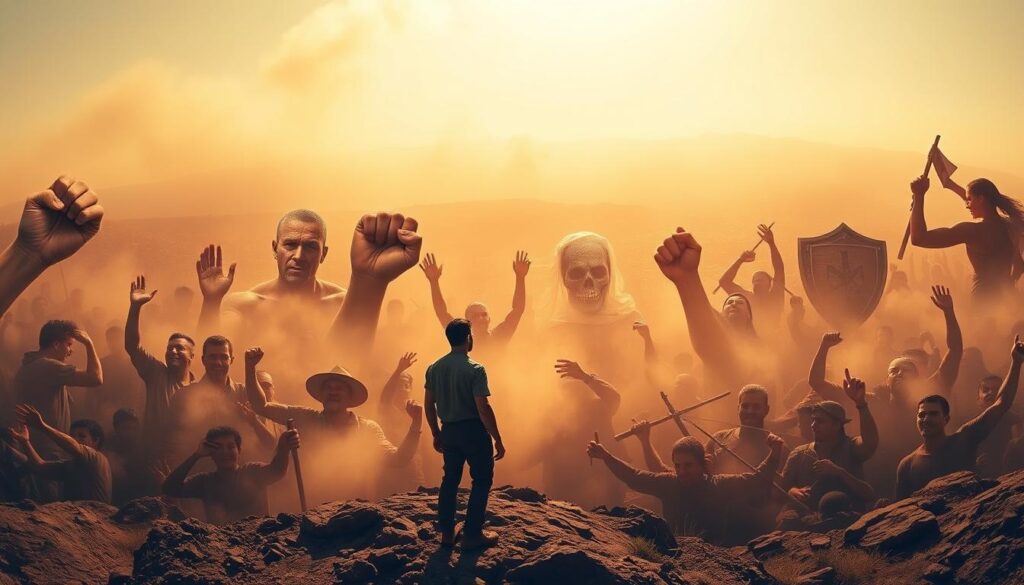
Courage shows up in many ways people face challenges. For some, it’s about speaking out against wrongs. For others, it’s about getting through tough times. The key is being willing to act, even when it’s scary or uncertain.
“Courage is the most important of all the virtues because without courage, you can’t practice any other virtue consistently.”
This quote highlights courage’s key role in other virtues. By embracing courage in all its forms, we can live more true and meaningful lives. Courage, whether through bold actions or quiet perseverance, shows our strength and resilience.
Why We Freeze When We Need Courage Most
Fear can make us freeze, and it’s a common problem. But knowing why it happens can help us fight it. When fear hits, our body’s “fight or flight” response kicks in. This is meant to keep us safe, but it can also make us unable to move.
Fear can be overwhelming, making us freeze when we should act. Breaking down big goals into smaller steps can help. This way, we can start to build courage and move forward.
Seeing fear as a natural response can help us tackle it better. By understanding fear and paralysis, we can find ways to overcome them. This lets us build the courage to take action.
Practical Techniques to Summon Courage When Scared
Facing our fears head-on needs the right mindset and techniques. When scared, our minds fill with worst-case scenarios. But, with specific strategies, we can find the courage to face our fears.
Preparing mentally for challenges is key. Using visualization helps us imagine success in tough situations. It’s not just seeing success; it’s feeling the emotions of it too.
Visualization and Positive Self-Talk
Visualization is a strong tool. It involves picturing yourself achieving your goals or overcoming challenges. By vividly imagining the scenario, you prepare your mind for the real situation.
For example, you can imagine yourself having a confident conversation or completing a tough task. This mental preparation helps you handle real-life challenges better.

Along with visualization, positive self-talk is vital. How we talk to ourselves matters when facing fear. Positive affirmations can boost our confidence and courage.
Instead of saying “I’m going to fail,” say “I’ve prepared well for this, and I can handle it.” This mindset shift is powerful.
Combining visualization with positive self-talk is a strong strategy for building courage. These techniques help manage fear and build a more confident mindset over time.
By using these techniques daily, we become better at summoning courage when needed. It’s about creating a mindset ready to face challenges, not held back by fear.
Learning from Those Who Mastered Courage
Role models who show courage teach us to face big challenges. They prove that we can do great things, even when we’re scared. Every person we admire has felt fear, but they found the courage to succeed.
Malala Yousafzai is a great example. She fought against the Taliban to keep girls in school. Her bravery has inspired people all over the world. Malala’s story shows us that we can all make a difference with courage.
Other role models like Martin Luther King Jr. and Nelson Mandela also showed great courage. They stood up for what they believed in, even when it was hard. Their stories inspire us to be brave too.
These heroes teach us that courage isn’t about not being scared. It’s about doing what’s right, even when it’s hard. By learning from them, we can find our own inspiration to be brave.
By following the examples of these role models, we can grow our own courage. This way, we can make a positive change in the world.
How Courage Transforms Personal Growth
Courage is the spark that drives us toward personal growth and self-discovery. When we embrace courage, we open up to new experiences and challenges. These help us grow and understand ourselves better.

By facing our fears with courage, we overcome obstacles and grow stronger. This newfound strength boosts our confidence. We then apply this confidence to other areas of our lives, leading to more growth.
The path of personal growth through courage is challenging but rewarding. It asks us to step into the unknown and face uncertainty. Yet, the outcome is a more fulfilled and self-assured person, ready to achieve their dreams.
In essence, courage is not just about big acts of bravery. It’s also about the small, daily choices that lead to personal transformation. By living with courage every day, we can greatly improve our well-being and happiness.
When Courage Means Asking for Help
Courage isn’t just about standing alone; sometimes it’s about reaching out for support. Knowing when we need help is key to facing our fears. It shows we don’t have to face challenges by ourselves.
Asking friends, family, or a community for help can give us the encouragement and guidance we need. This act of seeking help shows courage. It means we’re ready to tackle our challenges, even if it makes us vulnerable.
By asking for help, we get support and learn from others who’ve faced similar challenges. This shared courage helps us grow personally.
In short, courage is not just about being brave alone. It’s also about knowing when to ask for support. This way, we can overcome our fears and reach our goals with the help of others.
Cultivating Courage as a Daily Practice
Building courage every day can change our lives in big ways. It helps us become more resilient and confident. It’s about having a mindset that lets us tackle tough challenges, even when they seem too hard.
To grow courage daily, start by being kind to yourself, even when you’re scared or unsure. Treat yourself with the love and kindness you’d give to a close friend. This kindness is key in developing the courage to take risks and face your fears.
Adding small acts of courage to your daily life can make a big impact. It might mean speaking up in a meeting, trying something new, or being more open and honest. By doing these things, you build a habit of courage that can lead to personal growth and a more rewarding life.
Remember, the aim is to make courage a daily practice, not just a one-time thing. With regular effort, courage becomes a big part of who you are. It helps you deal with life’s challenges more easily and confidently.
The Lasting Rewards of Facing Your Fears
Imagine facing your fears and taking the leap. The feeling of pride and accomplishment is huge. You’ve not only shown courage but also gained a lot from it.
Facing fears leads to personal growth and new chances. It makes life more fulfilling. You become more confident and sure of yourself.
Being brave opens doors to new experiences and people. Courage’s rewards go beyond personal growth. They also improve your work and social life.
The good things about facing fears last a long time. As you keep being brave, it becomes a habit. You’ll face challenges with confidence and strength.