
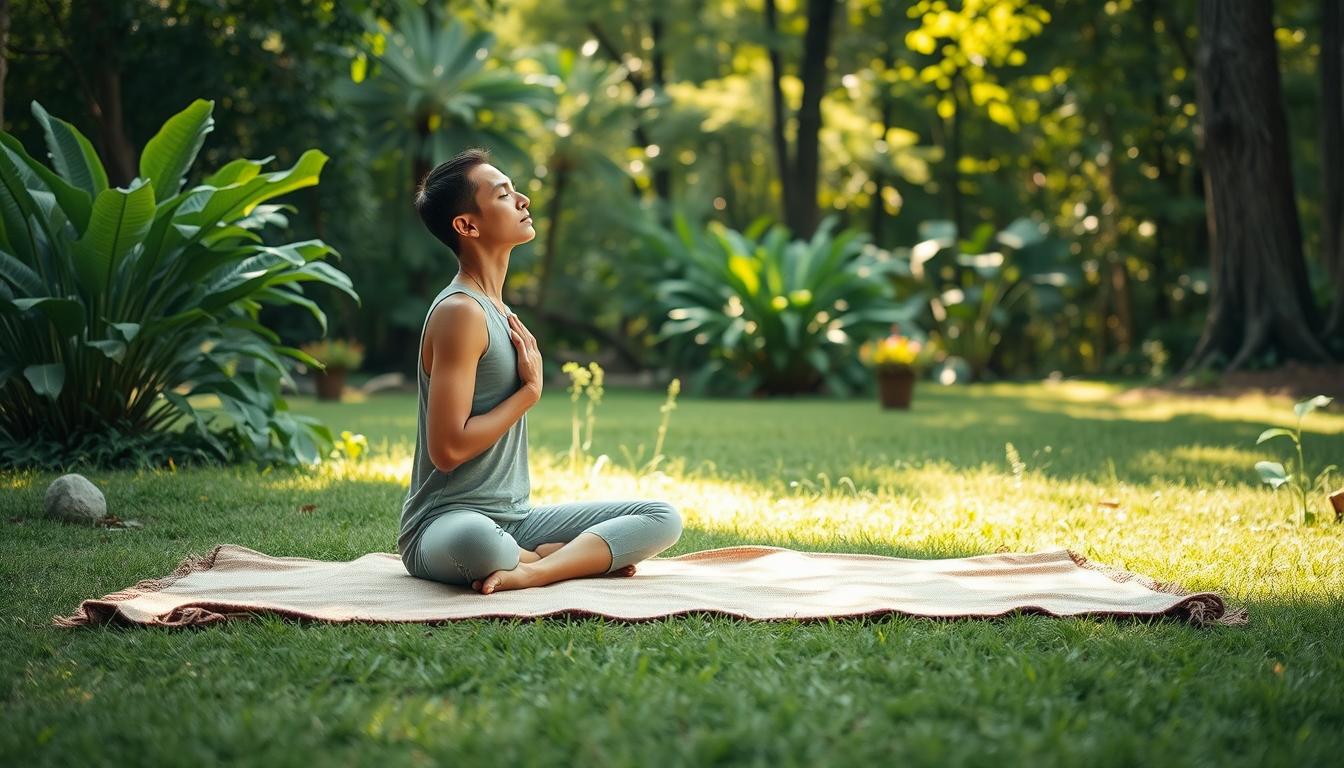
In today’s fast world, feeling overwhelmed and impatient is common. Yet, there’s a simple yet effective way to calm the mind and body: deep breathing.
By practicing mindfulness through deep breathing, we can handle impatience better. This method slows down our heart rate, lowers blood pressure, and helps us relax.
The next sections will dive into the benefits of deep breathing for overcoming impatience. We’ll also share practical tips on adding mindfulness to our daily lives.
The Hidden Cost of Impatience in Modern Life
In today’s fast world, impatience is everywhere. It affects many parts of our lives. The need for quick results can make us feel more stress and anxiety.
A mental health expert says, “Impatience can hurt our relationships and lower our life quality.”
“Patience is not simply the ability to wait – it’s how we behave while we’re waiting.”
Impatience shows up in many ways, like getting angry in traffic or being upset with tech. Spotting these signs is the first step to lessening its harm. By knowing its effects, we can work on being more patient and feel better in modern life.
Being patient can lower our stress and help us have better relationships. It’s about changing how we wait and interact with others.
Understanding the Science of Impatience
Impatience is a complex trait influenced by many factors. It can be triggered by slow internet or traffic jams. It’s also affected by personal expectations and emotional baggage. The mix of these factors greatly impacts how patient someone is.
From a psychological view, impatience is tied to emotional intelligence. People with high emotional intelligence tend to be more patient. They can better manage their emotions and handle tough situations wisely. Knowing and understanding one’s emotions is key in dealing with frustrating situations.

Stress and anxiety also play a big role in impatience. When stressed or anxious, people get frustrated faster. Spotting the signs of stress and anxiety is key to managing impatience. By tackling these issues, people can improve their patience and overall happiness.
In summary, understanding impatience involves looking at both psychological and emotional factors. By boosting emotional intelligence and managing stress and anxiety, people can become more patient. This not only boosts personal happiness but also strengthens relationships.
How Deep Breathing Calms the Nervous System
Deep breathing is a simple yet powerful way to calm the nervous system. It involves slow, deliberate breaths to reduce stress and anxiety. This method triggers a relaxation response in the body.
When we breathe deeply, our body’s parasympathetic nervous system is activated. This promotes a calm state. The parasympathetic nervous system balances the sympathetic nervous system, which is responsible for the ‘fight or flight’ response. Deep breathing slows down heart rate, lowers blood pressure, and reduces stress hormones like cortisol.
Experts say, “Deep breathing can be a potent tool in managing stress and anxiety.”
“The practice of deep breathing can lead to a state of relaxation, reducing the negative impacts of stress on the body.”
Regular deep breathing practice offers long-term benefits. It improves emotional regulation and enhances overall well-being.
By adding deep breathing to daily routines, we can better manage stress and cultivate patience. This technique is easy for anyone to use, regardless of age or background. It’s a valuable tool for promoting relaxation and calm.
Recognizing Your Impatience Triggers
It’s important to know what makes us impatient. This knowledge helps us handle frustrating situations better. By figuring out what triggers our impatience, we can find ways to deal with it.
Traffic and Waiting Situations
Being stuck in traffic or waiting in long lines often makes us impatient. We feel trapped and can’t move forward. To cope, try listening to a podcast or audiobook. Or, take a few deep breaths to calm down.
Technology Frustrations
Technology frustrations also trigger impatience. Slow internet, broken devices, or hard-to-use software can be very frustrating. Stay calm and try to solve the problem step by step. Or, ask for help if you need to. Being patient with technology can make us less stressed.
Knowing what makes us impatient is the first step to managing it. This knowledge lets us use strategies like deep breathing. It helps us stay calm and patient, even when things get tough.

The 4-7-8 Breathing Technique for Immediate Relief
In today’s fast world, the 4-7-8 breathing technique is a quick way to relax. It’s simple and powerful, making it perfect for stress relief every day.
To start, sit comfortably and close your eyes. Breathe in through your nose for 4 counts. Hold for 7 counts. Then, exhale through your mouth for 8 counts. Repeat this for deep relaxation and less anxiety.
At Your Desk
At work, you can use the 4-7-8 breathing technique. Just sit back, close your eyes, and breathe. It helps you focus and lowers stress.
In Your Car
It’s also great for calming down while driving. Use it during long commutes or traffic jams. It reduces anger and makes your drive more pleasant.
Adding the 4-7-8 breathing technique to your daily life gives quick stress relief. Regular use can also improve your emotional control and overall well-being.
Box Breathing: A Navy SEAL Technique for Stress Control
The box breathing technique, known to Navy SEALs, is a simple yet effective way to manage stress. It involves breathing in for four counts, holding for four counts, exhaling for four counts, and then holding again for four counts. This creates a “box” shape with your breath.
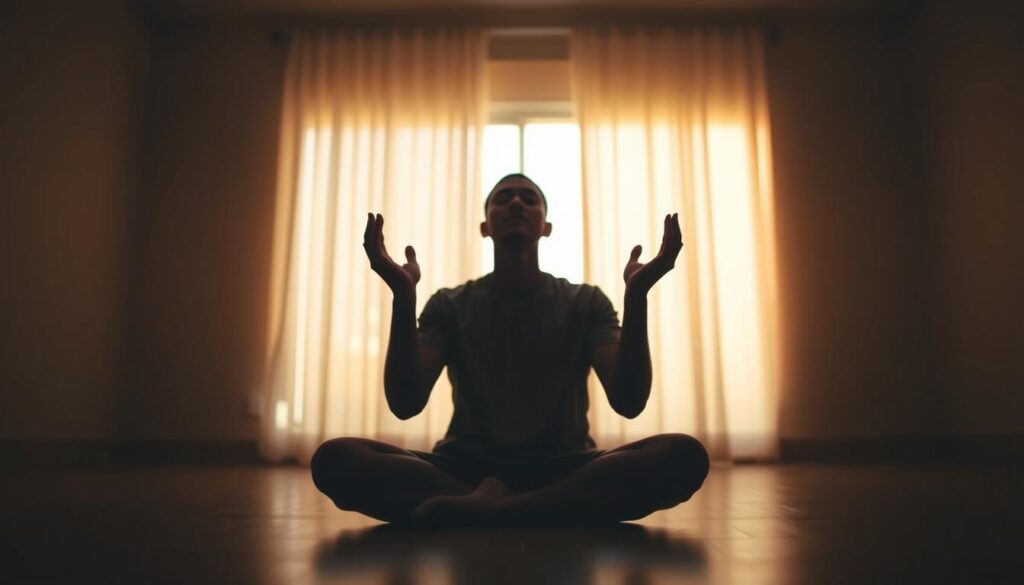
By counting your breath, you can calm your mind and control your breathing. This leads to lower stress levels. Box breathing is easy to do anywhere, making it great for handling stress in different situations.
Navy SEALs use box breathing before high-stress missions and during tough operations. It helps slow their heart rate and brings calm. This lets them perform well even when under pressure.
To add box breathing to your day, find a quiet, comfy spot to sit. Close your eyes and start the cycle, focusing on the count and the breath. Doing it regularly can improve your stress control and overall health.
Diaphragmatic Breathing for Long-Term Patience Building
Diaphragmatic breathing is a strong method for building patience over time. It works by using the diaphragm, which relaxes the nervous system and lowers stress.
The Benefits of Diaphragmatic Breathing include less stress hormones like cortisol. This makes you calmer and more patient. It also boosts breathing and overall health.
To start, sit or lie comfortably. Put one hand on your belly and the other on your chest. Breathe in slowly through your nose, letting your belly rise. Your chest should stay steady.
Exhale slowly through your mouth, letting your belly fall. This helps your diaphragm rise.
Consistency is key for patience through breathing. Even a few minutes a day can make a big difference.
As you keep practicing, you’ll see better patience and life quality. This breathing method is great for anyone wanting more calm and composure.
Alternate Nostril Breathing to Balance Emotions
In yoga, alternate nostril breathing is a key method for balancing emotions and the nervous system. Known as Nadi Shodhana, it has been used for centuries. It helps prepare the mind and body for meditation and brings harmony to one’s energy.
To start, sit comfortably with your back straight. Use your right hand to block your nostrils. Close your right nostril with your thumb and inhale through your left. Then, block your left nostril with your pinky and exhale through your right.
Inhale through your right nostril, close it with your thumb, and exhale through your left. Keep switching nostrils with each breath.
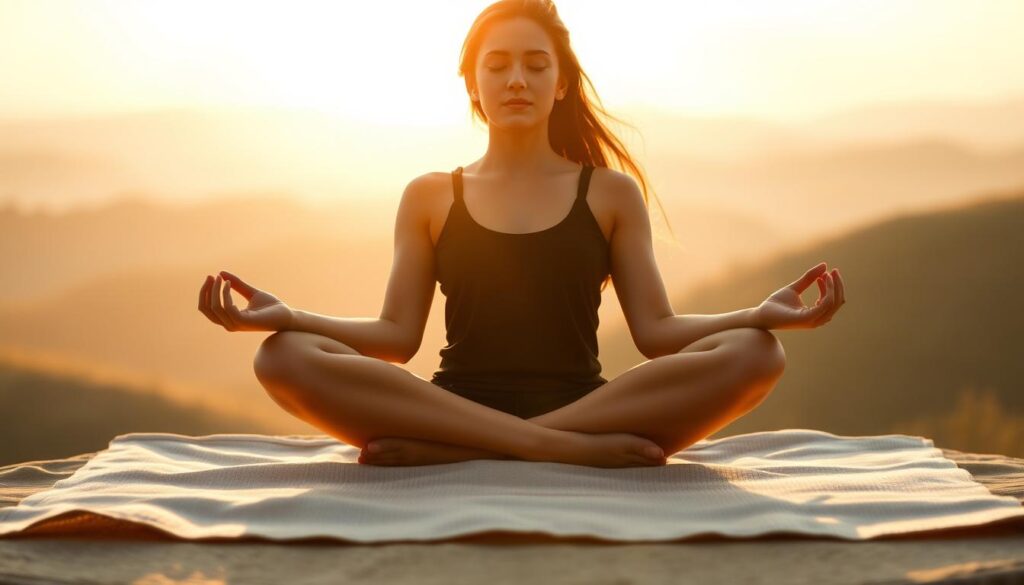
This technique calms the nervous system and balances emotions. Regular practice lowers stress and boosts well-being. It’s a key part of yoga that prepares you for deep relaxation and meditation.
Adding alternate nostril breathing to your daily routine can greatly improve emotional balance. It’s easy to do anywhere, making it a great tool for staying emotionally balanced in today’s busy world.
Combining Mindfulness With Deep Breathing
Mindfulness and deep breathing together can really help you deal with stress and build patience. Mindfulness means being fully in the moment. It pairs well with deep breathing to help you stay calm and focused.
Together, they make you feel more relaxed and less anxious. This method helps you pay attention to your breath. It calms your nervous system.
To start, find a quiet spot to sit or lie down. Close your eyes and breathe slowly and deeply. Focus on how your breath feels moving in and out of your body.
If your mind starts to wander, gently bring it back to your breath. This practice helps you stay present without judgment. It’s a great way to manage stress and build patience.
Doing this regularly can improve your emotional control and concentration. It also boosts your overall well-being. This approach is a powerful tool for dealing with life’s challenges.
By adding mindfulness and deep breathing to your daily routine, you become more patient and resilient. You’ll be better at handling stressful situations with calmness and clarity.
Deep Breathing in High-Pressure Situations
When we face high-pressure situations, our bodies get stressed. But deep breathing can help reduce this stress. By using deep breathing techniques, we can handle stress better and stay focused.
Deep breathing slows down our heart rate and lowers stress hormones like cortisol. This makes us calmer and more centered, even when things are chaotic. To use deep breathing, sit or stand comfortably and breathe in slowly through your nose.
Hold your breath for a few seconds, then breathe out slowly through your mouth. Do this a few times, feeling the breath move in and out. This simple method can be done anywhere, helping you manage stress.
Regularly practicing deep breathing makes you more resilient to stress. It also helps you stay focused under pressure. This can improve your performance in important situations, both personally and professionally.
Teaching Children to Manage Impatience Through Breathing
Teaching kids to breathe is more than just relaxation. It’s about giving them the power to handle impatience. By starting with breathing techniques early, parents and caregivers can instill lasting habits.
Young ones often face impatience because they’re learning to control impulses and emotions. Simple breathing techniques can be a great tool for them. For example, the “balloon breathing” exercise is both fun and effective.
To make breathing techniques a regular part of a child’s life, parents should use them in daily activities. This could be before bed or during transitions. Being consistent helps kids master these skills and use them when needed.
By teaching children to manage impatience with breathing techniques, we help them through childhood. We also give them skills that will help them for years to come.
From Reactive to Responsive: Your Journey to Patience
Starting your journey to patience changes you from reacting to responding. Deep breathing techniques can help you become more patient and mindful. This approach helps you tackle challenges better.
As you keep moving forward, you’ll see big changes in your growth. You’ll learn to notice your thoughts and feelings more. This lets you think before acting, not just react.
Patience is not just a good quality; it’s a skill you can learn. With effort and practice, you can live a more balanced and peaceful life. Deep breathing exercises are key to this.
Remember, patience is a journey, not a finish line. With steady effort, you’ll grow to handle life’s ups and downs better. You’ll face stress and uncertainty with more ease.