
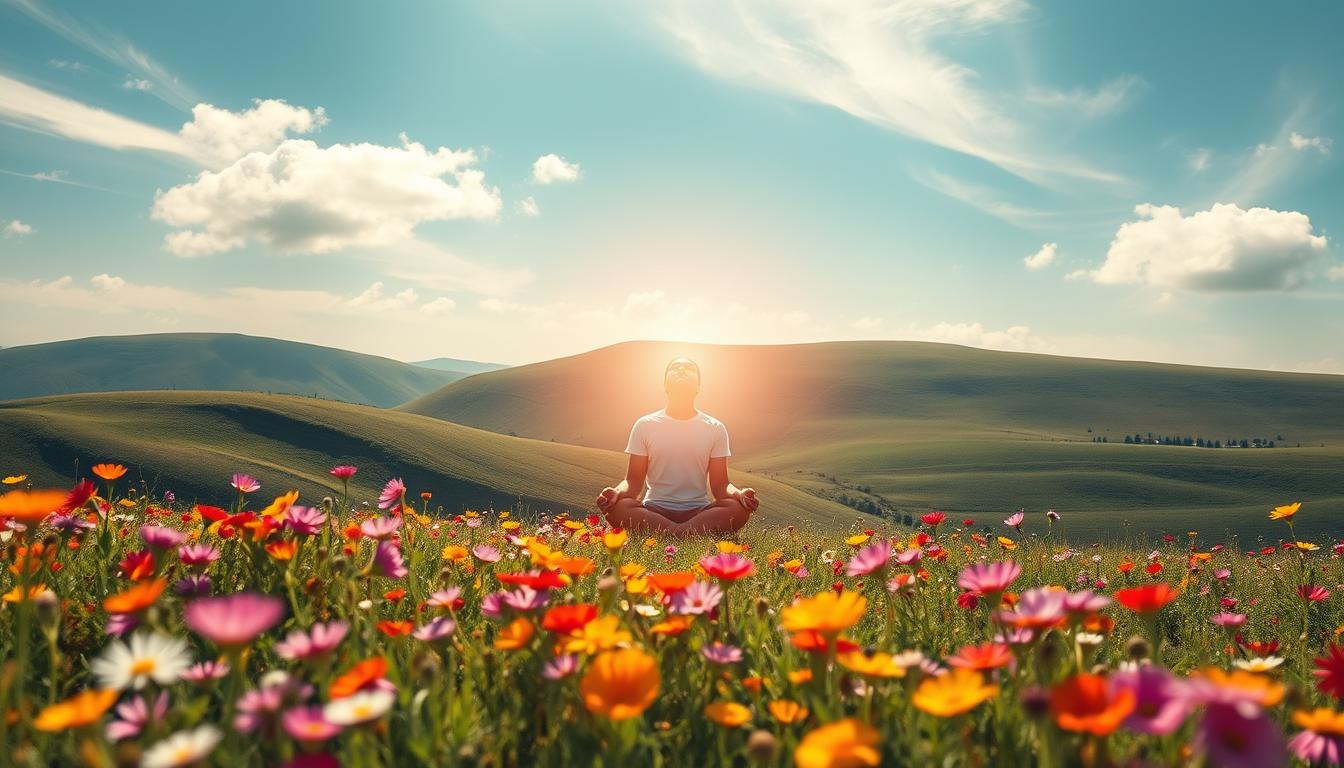
I remember the day I felt truly seen and loved for who I am. It was a moment of deep self-love and acceptance. This feeling has stayed with me ever after.
Feeling loved unconditionally is something we all want. It changed my life, making me more compassionate and loving towards myself.
This experience taught me a lot about unconditional love. It made me see its importance in life. In this article, we’ll look at how acceptance and self-love can change our lives for the better.
Understanding Acceptance and Its Importance
Acceptance is a complex idea that deeply affects our mental health and life quality. It means we accept our experiences, feelings, and situations without judgment or fight.
The definition of acceptance covers many areas. This includes accepting ourselves, others, and life’s ups and downs. This shows how deep and wide acceptance is, making it very important.
Studies show acceptance is key for good mental health and happiness. When we accept things, we feel less stressed, anxious, and sad. This leads to better mental health.
The importance of acceptance is huge. It brings peace and happiness, helping us live more fully and truly. Acceptance is a strong tool for growing and changing.
Key Aspects of Acceptance
Acceptance has several important parts:
Self-acceptance: Loving our good and bad sides without being too hard on ourselves.
Acceptance of others: Seeing and valuing everyone’s differences, which helps us understand and connect better.
Acceptance of life’s circumstances: Dealing with life’s tough times and unknowns, making us stronger and more flexible.
By getting and using acceptance in these ways, we become kinder and more accepting. This improves our mental health and happiness.
Personal Stories of Acceptance
Personal stories show how acceptance changes lives. They share struggles and victories, showing us the power of accepting ourselves and others.
A woman once struggled with self-acceptance for years. She felt trapped by society’s expectations and her own harsh words. But then, she found radical acceptance. “I learned to accept my flaws and limitations, not trying to change who I was to fit someone else’s ideal,” she said.
Her journey was tough but rewarding. It took patience, kindness to herself, and facing her fears. As she accepted herself, her mental health and happiness grew. Her story shows acceptance can lead to big changes.
“The most courageous act is to think for yourself. Aloud.”
A man also found acceptance in tough times. He used mindfulness and meditation to cope with a big challenge. These practices helped him find peace and acceptance. His story shows how acceptance experiences can help us heal and move forward.
These stories teach us about acceptance’s value in our lives. They show it’s not about giving up or agreeing with everything. It’s about seeing reality with an open heart and mind. Let’s think about our own acceptance journeys and support others too.
The Impact of Acceptance on Mental Health
Understanding how acceptance affects mental health can improve our well-being. Acceptance means we accept our experiences, including tough emotions and thoughts, without judgment.
Studies show that acceptance and mental health are closely connected. People who accept their experiences have less stress and anxiety. This is because they face their challenges head-on, not avoiding them.
Mindfulness, related to acceptance, means being fully present in the moment. Mindfulness practices like meditation and deep breathing help us relax and reduce depression symptoms.
Acceptance also helps us feel better about ourselves and manage our emotions better. By accepting our feelings, we become kinder and more understanding towards ourselves. This leads to greater psychological well-being and happiness in life.
It’s interesting to note that feeling loved and accepted can also boost our mental health. Feeling valued and loved can make us feel more worthy and improve our mental health.
In summary, acceptance has a big impact on mental health. By accepting ourselves and practicing mindfulness, we can improve our mental well-being. We also develop a more positive and compassionate relationship with ourselves.
Acceptance in Relationships
The desire for unconditional love shows how key acceptance is in relationships. When both partners feel accepted, they build a strong, lasting bond.
Acceptance means loving each other’s true selves, with all their flaws and strengths. It’s about making a space where both feel valued and loved. As Dr. Brené Brown said, “Acceptance is not about approval; it’s about embracing the reality of who we are.” This creates a deeper connection and a healthier relationship.
“Love recognizes no barriers. It jumps hurdles, leaps fences, penetrates walls to arrive at its destination full of hope.” –
Practicing acceptance helps couples face challenges better. By understanding and accepting each other’s views, they solve conflicts more effectively. This doesn’t mean they won’t disagree, but they’ll do so with empathy and a desire to listen.

Acceptance also builds trust. When partners feel accepted, they can be their true selves. This makes their relationship more open and trustworthy. Their bond grows stronger, and their love deepens.
In summary, acceptance is essential for healthy, fulfilling relationships. By embracing acceptance, people can build a more loving, supportive, and resilient partnership.
Acceptance as a Tool for Growth
Acceptance is key to personal growth, helping us move past self-doubt. It lets us see our strengths and weaknesses more clearly.
The Power of Self-Acceptance
Carl Rogers, a famous psychologist, said, “The curious paradox is that when I accept myself just as I am, then I can change.” This shows how acceptance can change us for the better.
“The curious paradox is that when I accept myself just as I am, then I can change.” – Carl Rogers
Acceptance isn’t about being okay with everything. It’s about knowing where we are to make real changes. It’s about seeing our flaws and strengths without judging, so we can improve ourselves with kindness.
When we accept ourselves, we’re more ready to take risks and chase our dreams. This acceptance builds resilience, helping us get back up after falls and keep growing.
On our way to self-acceptance, we see it boosts our personal growth, relationships, and happiness. Focusing on acceptance helps us create a kinder, more supportive world for everyone.
The Role of Community in Acceptance
Community is key in making people feel accepted and supported. Being part of a community gives a sense of belonging. This is important for our emotional and mental health.
Feeling accepted in a community boosts confidence and support. This feeling of belonging helps us accept ourselves and others. Studies show that social connections and feeling loved are essential for our mental health.
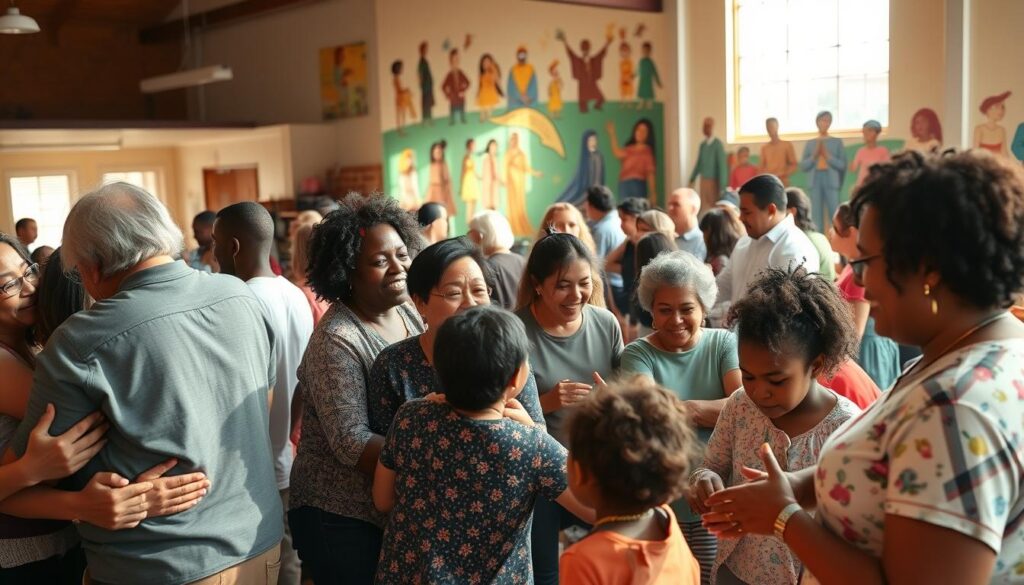
Community programs that welcome everyone help create a place where everyone feels valued. Supportive community networks offer a safe space to share experiences and get support. This makes people feel more connected.
Being in a community also helps us grow personally. When we feel accepted, we’re more likely to take risks and chase our dreams. We know we have our community’s support. This support and personal growth are vital for our well-being.
In summary, community’s role in acceptance is deep and important. It helps create a sense of belonging and offers support. This way, communities play a big part in making their members feel accepted and happy.
Acceptance vs. Change: Finding the Balance
Acceptance and change seem like opposites, but they’re connected in our growth. Accepting ourselves and others brings peace and less stress. Yet, seeking change helps us grow and improve.
Finding a balance between these two is key. It’s about knowing when to accept and when to change. This balance changes with each situation and our growth stage.
Acceptance isn’t about giving up on change. It’s about seeing reality without judgment. Accepting our health can lead to better choices.
The drive for change comes from our dreams and growth. It pushes us to set and reach goals. But, we must balance this with our current reality.
Getting this balance right takes self-reflection, patience, and self-understanding. It’s a continuous process of assessing our situation and making choices.
“The serenity to accept the things I cannot change, the courage to change the things I can, and the wisdom to know the difference.” This timeless wisdom shows the heart of balancing acceptance and change.
In summary, the mix of acceptance and change is complex and personal. By grasping and embracing this balance, we can better navigate our growth. This leads to a more fulfilling and meaningful life.
Cultural Perspectives on Acceptance
Different cultures view acceptance in unique ways, showing how complex this universal need is. Acceptance is key in human interactions but means different things in various cultures.
In Eastern cultures, acceptance is tied to mindfulness and living in the moment. For example, Buddhism teaches accepting reality as it is, without judgment. This approach brings inner peace and harmony with the world.
Western cultures focus on individualism and personal success. Here, acceptance means embracing oneself and others, promoting inclusivity and diversity.
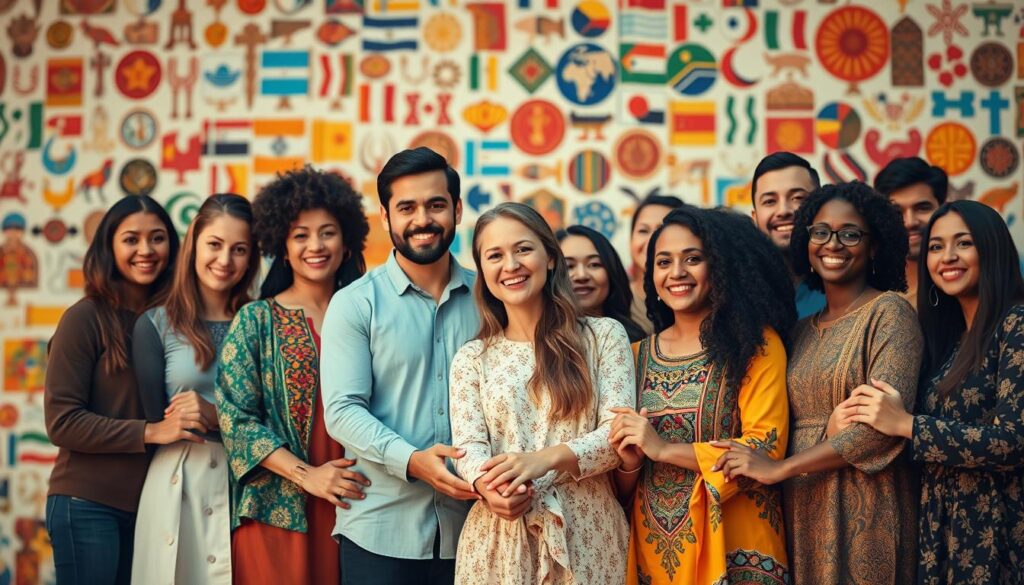
In indigenous cultures, acceptance is linked to community and nature. The idea of all living things being connected is central. This view encourages a holistic acceptance that includes humans and the environment.
Acceptance practices differ across cultures. Some cultures stress accepting fate, while others encourage change and challenge the status quo.
It’s vital to understand these cultural views on acceptance in our global world. As people from different backgrounds meet more, valuing diverse acceptance views is key.
By embracing this diversity, we can build a more inclusive and caring society. This means recognizing and respecting the differences in acceptance practices. It also involves finding common ground among these diverse views.
Challenges to Acceptance
The journey to acceptance is not easy. It’s filled with personal and societal hurdles. Societal norms can greatly affect how we see ourselves or others. Feeling like we don’t meet these standards can hurt our self-worth.
Our own biases also block the way to acceptance. These biases, whether we realize them or not, can lead to unfair judgments. To get past these biases, we must be willing to question our own views.
Past traumas can be major obstacles to acceptance. Traumatic experiences can damage our self-image and sense of identity. Yet, with the right help and therapy, we can start to heal and accept ourselves.
The support of our community and friends is key in facing these challenges. A caring group can offer the encouragement and understanding we need. This support helps us deal with our struggles.
In summary, there are many hurdles to acceptance. But by understanding these obstacles, we can start to overcome them. Recognizing the effects of societal norms, our biases, and past experiences is the first step. This allows us to build a more accepting and welcoming world for everyone.
Exploring Self-Acceptance Practices
Self-acceptance is a journey that needs a mix of mindfulness, self-compassion, and journaling. These methods help us love and accept ourselves more deeply.
Mindfulness means being fully present and observing our thoughts and feelings without judgment. It can lower stress and anxiety. By practicing mindfulness, we learn to speak to ourselves with kindness.

Self-compassion is about treating ourselves with the same kindness we offer to friends. It’s about being gentle with ourselves and understanding that we all make mistakes. This practice helps us see ourselves in a more positive light.
Journaling is another powerful tool for self-acceptance. It lets us write down our thoughts and feelings. Through journaling, we can understand ourselves better and work on accepting ourselves more fully.
Adding these practices to our daily lives can deepen our self-acceptance. It’s about building a culture of self-love and understanding. In this culture, we value and appreciate ourselves just as we are.
The Journey to Radical Acceptance
Radical acceptance is a deep practice that teaches us to accept life as it is. It means embracing the present moment, including our feelings and life’s circumstances. We do this with an open heart and a willingness to let go of resistance.
This journey helps us understand ourselves and the world better. By accepting life fully, we can break free from our old ways. This allows us to live more genuinely and with kindness.
Key Principles of Radical Acceptance:
1. Awareness: First, we need to notice our thoughts, feelings, and body sensations without judgment.
2. Acceptance: Then, we accept things as they are, without trying to change or resist them.
3. Compassion: We treat ourselves with kindness and understanding, just like we would a close friend.
By living these principles, we can grow personally and find more happiness. Radical acceptance isn’t about giving up or agreeing with everything. It’s about seeing reality as it is and finding peace in that acceptance.
On our journey to radical acceptance, we might face obstacles. But every step we take brings us closer to a more real, kind, and meaningful life. This path needs patience, courage, and dedication. But the benefits are huge.
Future of Acceptance in Society
The future of acceptance in society will be shaped by many factors. These include new technologies, changes in demographics, and shifts in cultural norms. Acceptance will be key to creating a more inclusive place where everyone feels valued and respected.
We’re already seeing more inclusivity, with many groups working to promote acceptance. This trend is expected to grow, aiming for a society that’s fair and harmonious for all.
To embrace this future, we must tackle challenges like prejudice and discrimination. By focusing on education, empathy, and open conversations, we can build a society that welcomes everyone. This is true, no matter their background or identity.