
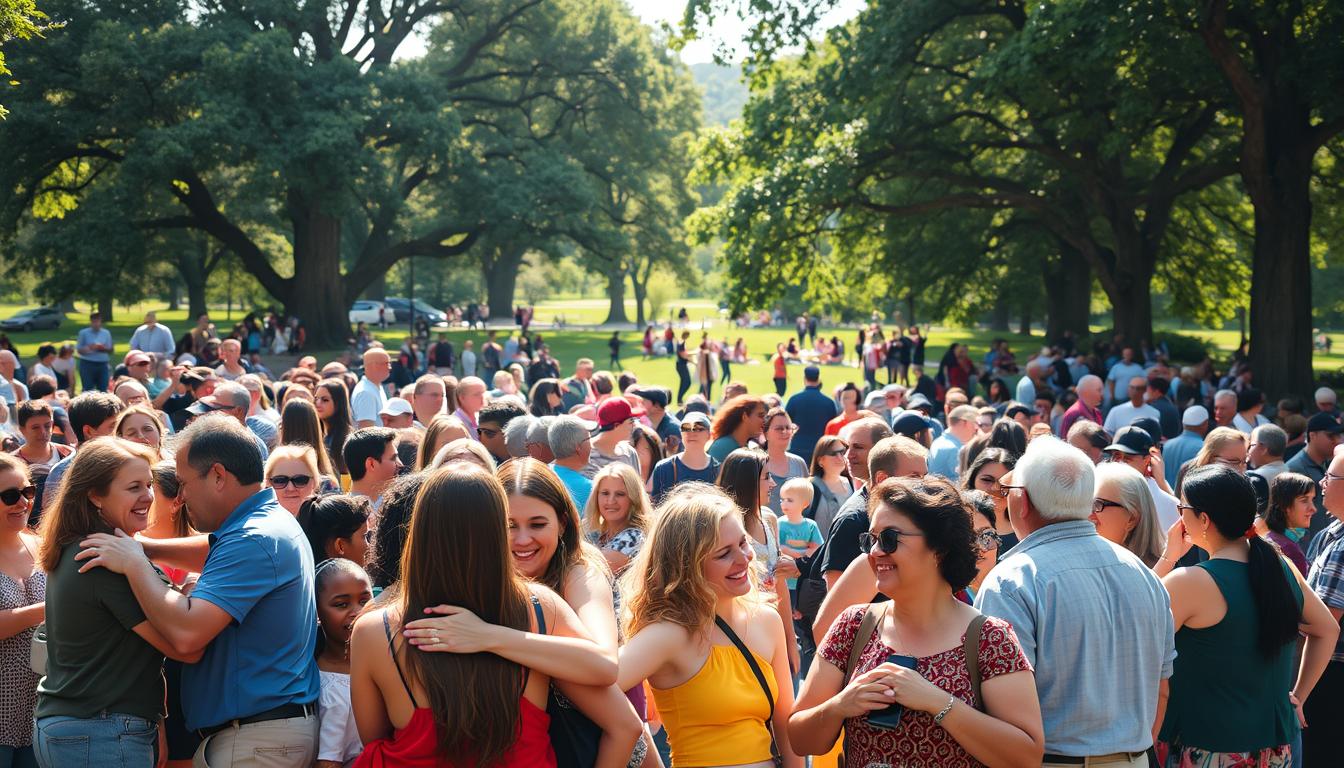
The biblical account of Pentecost, as described in Acts 2:1-4, marks a significant moment in history. The disciples came together in unity, awaiting the Holy Spirit.
This event symbolizes the power of being together as a community. It shows the importance of togetherness in achieving a common goal.
Reflecting on moments of unity in our lives can be truly inspiring. It reminds us of the strength found in coming together as one.
A Defining Moment in American History
In a defining moment, the United States came together. They overcame the social divisions that had separated its citizens.
This event showed the power of unity and working together. It echoed biblical teachings on community, like 1 John 4:7-21 and Hebrews 10:25.
Social Divisions That Separated Us
Before this moment, the nation was split by social divisions. These included racial, economic, and ideological differences.
These divisions often caused conflict. They made people feel disconnected from each other.
Political Climate Leading Up to the Event
The political climate was tense. Different views on governance and policy created a lot of tension.
But, in the face of adversity, Americans came together. They showed that unity and a shared goal could conquer even the deepest social divisions.
This moment in history reminds us of the importance of community and working together. It shows how these values can shape our nation’s future.
When Time Stood Stil: The Event Unfolds
On that day, the nation saw something special. People came together in a way that was unforgettable. This moment of unity will stay with Americans forever.
The news spread far and wide. Traditional media was key in sharing the story. TV, radio, and newspapers kept everyone informed.
Traditional Media Coverage
Media leaders brought the event to life. They gave live updates and deep analysis. Their work helped spread the message of unity across the country.
The Bible talks about the value of sharing news in Acts 2:42. It shows how early Christians shared teachings together. Media did the same for the nation, creating a sense of community.
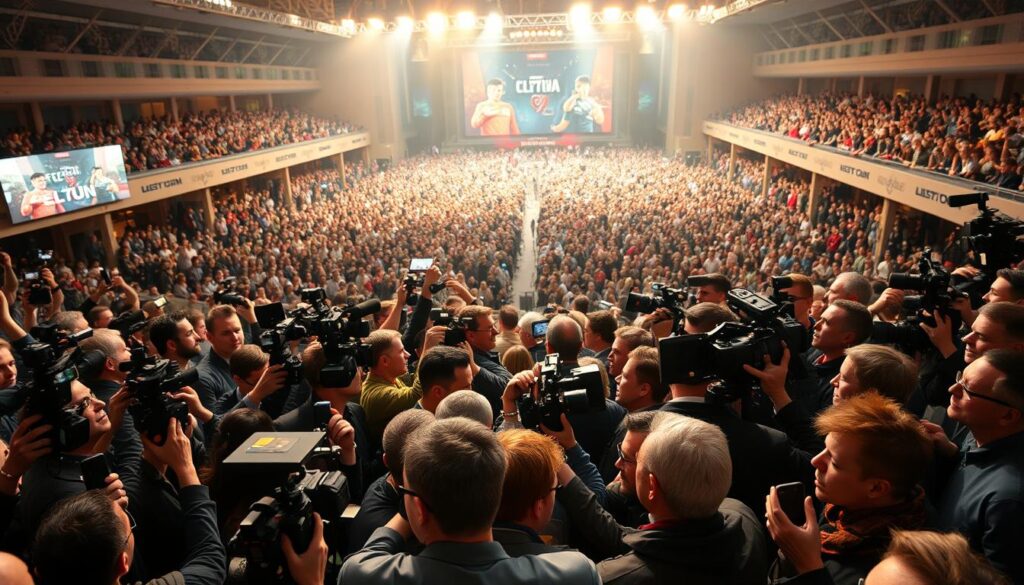
Early social platforms also played a big part. They allowed for instant sharing and discussion. This helped people connect on a personal level.
The use of social platforms showed how media is changing. People’s online conversations added to the story of unity. Together, they created a powerful digital narrative.
Together, media and social platforms made sure the message of unity reached everyone. This event showed the power of media in shaping our views and bringing us together.
Voices From the Ground: Personal Stories
On that unforgettable day, the spirit of unity was clear. Strangers became friends, and kindness spread across the nation. People from all walks of life came together, united by a common goal.
As people gathered, acts of kindness defined the day. Simple gestures like sharing meals and bigger acts like giving shelter filled the air. This day showed the power of love and kindness, as Jesus said, “Love one another as I have loved you” (John 15:12).
The streets buzzed with people helping each other. This mirrored the biblical teaching that “love is patient, love is kind” (1 Corinthians 13:4). Communities came together, creating a sense of unity and togetherness.
Testimonials That Captured the Spirit
The day was filled with testimonials that showed the unity. People shared their personal stories of resilience and hope. One person said, “The kindness of strangers gave me food and shelter when I needed it most.”
“In a world where division often seems to be the norm, this day was a powerful reminder of the strength that comes from unity and togetherness.”
These stories and others showed the day’s impact. People came together to support each other, showing the power of kindness and compassion.
The Psychology Behind National Unity
To understand national unity, we must look at what brings people together. It’s about a shared identity and purpose among citizens.
The Bible talks about unity in Romans 12:4-5 and 1 Corinthians 12:12-13. It shows how different people can unite as one body. This idea is similar to how individuals feel a sense of belonging in a group.
“We have different gifts, according to the grace given to each of us.” – Romans 12:6
The psychology of national unity helps us see how people connect with each other and the nation. It’s about the emotional, cognitive, and social aspects that make people work together.

By studying these factors, we can better understand what builds national unity. It’s about seeing how individual identities fit into the larger national picture.
The Power of Union in American History
From the start, the idea of union has shaped America. It’s rooted in American history, echoing biblical teachings. For example, Galatians 6:2 talks about helping each other, and Ephesians 4:3 stresses unity.
The fight for American independence showed the strength of unity. The Continental Congress, a symbol of unity, played a key role. But, the Civil War tested this unity. It was a time of great challenge, but it made the nation stronger.
The struggle for unity during the Civil War was not just about keeping the Union together. It was also about making it more inclusive. The Emancipation Proclamation and the Reconstruction Amendments were big steps towards a unified America.
20th Century Moments of Togetherness
The 20th century had many moments of American unity. From World War II to the Civil Rights Movement, Americans came together. The Civil Rights Movement, led by Martin Luther King Jr., fought for racial equality and unity.
“We are caught in an inescapable network of mutuality, tied in a single garment of destiny. Whatever affects one directly, affects all indirectly.” – Martin Luther King Jr.
This call for unity and understanding had a big impact. It led to important social and legal changes in America.
In conclusion, the power of union in American history is a story of resilience and progress. It’s a story that keeps growing, with each generation adding its part to the story of American unity.
How Leadership Shaped Our Response
When the nation hit a tough spot, leadership became key to bringing people together. The actions of leaders greatly affected how we all came out of it.
The Bible teaches us what makes a good leader. Matthew 20:26-28 says leaders should help others, not just look out for themselves. This was seen in local heroes who always put their communities first.
Local Heroes and Their Impact
Local heroes were vital in helping those hit by the crisis. Their acts of kindness and dedication to others sparked a wave of generosity and care.

The crisis also sparked grassroots movements that kept making a difference. These movements, led by community leaders and regular folks, showed the strength of working together and getting involved in the community.
In the end, the way we responded to the crisis was shaped by leadership at all levels. Local heroes and grassroots movements set examples of selfless service and community spirit. They helped us come together as a nation.
Media’s Role in Creating a Unified Narrative
The power of media in creating a shared story is huge. In Acts 2:42, early Christians came together for teaching, fellowship, and meals. This made their bond stronger. Media does the same during national crises.
The media’s influence helps to create a collective understanding by giving consistent coverage. It frames events in a way that connects with people. Ephesians 4:29 says to speak in a way that builds up and gives grace.
In American history, media has been key in creating a unified narrative. It helps us understand and feel connected as a nation. This is done through careful content curation and unbiased reporting.
“The media has the power to shape our understanding of the world”. During big events, this power is even more important. Media can unite us by presenting a unified story.
In conclusion, media’s role in creating a unified narrative is essential. Understanding media’s impact helps us value responsible media practices. This shapes our shared story.
The Aftermath: Policy and Cultural Changes
The event led to big changes in policy and culture. The nation had to adapt to a new reality. It was clear that the effects would last a long time.
Entertainment and art saw a big change. Cultural expressions showed the unity and strength of the event. Music and art became ways to share hope and unity. As the Apostle Paul said in Colossians 3:16, “Let the message of Christ dwell among you richly, teaching and admonishing one another in all wisdom.”
Changes in Entertainment and Art
Entertainment and art changed in their messages and methods. New art forms combined old and new technology. This created unique works that captured the moment. Twyla Tharp said, “Art is the only way to run away without leaving home,” showing art’s role in expressing human experience during change.
Public talks also changed a lot. People from all walks of life started talking more openly. They shared their stories and views. Romans 12:1-2 reminds us to change our minds and be more understanding, leading to kinder public discussions.
The event was a turning point in American history. It brought about policy and cultural changes that are felt today.
When the Spirit of Union Began to Fade
As time went by, the unity that once united the nation started to fade. This left a lasting legacy that would be remembered for many years. The initial excitement that brought everyone together slowly gave way to the difficulties of keeping that unity.
The nation turned to memorials and commemorations to keep the memory alive. These acts reminded everyone of the nation’s ability to come together in tough times.
Memorials and Commemorations
Creating memorials and commemorations was a big step in keeping the event’s history alive. It showed the nation’s dedication to remembrance. Biblical teachings, like 1 Corinthians 11:24-25, stress the importance of remembering.
In Acts 2:42, the early Christian church focused on the apostles’ teachings and communion. This shows how remembering is key to their community. The nation’s efforts to remember that day also brought people together, creating a shared identity.
How We Talk About That Day Now
Our language about that day has changed over time. Words like “memorials” and “commemorations” show our ongoing effort to honor the past. They also acknowledge our current situation.
The act of remembrance is now key to how we remember and learn from history. It’s through these acts that the spirit of unity, though faded, is felt again.
Rekindling the American Spirit of Unity Today
The American spirit of unity is a strong force. It can bring people together, no matter their background or beliefs. Looking back at our nation’s history, we see how important unity is when we face hard times.
Biblical teachings talk a lot about unity and love. Jesus prayed for his followers to be united, just like he and God are. John also writes about love coming from God and how we should love each other as he has commanded (1 John 4:7-21).
To bring back the American spirit of unity, we need to understand and empathize with each other. By talking to others, listening to their stories, and facing challenges together, we can start to rebuild our unity.
We must also remember that our actions shape our nation’s identity. By holding onto our shared values and fostering a culture of love and respect, we can move towards a more unified America. In this way, the American spirit can flourish.