
On warm summer evenings, a magical spectacle unfolds in backyards and forests across the United States. Fireflies, with their bioluminescent glow, captivate people of all ages. They create a sense of wonder and enchantment.
A family’s experience with fireflies shows the joy and magic these insects bring. As the fireflies light up the night, their unique behaviors and bioluminescence create a mesmerizing display.
The enchantment of fireflies is more than just a simple delight. It’s an experience that fosters a connection with nature and creates lasting memories. As we explore the world of fireflies, we will dive into their fascinating behaviors and the science behind their bioluminescent abilities.
The Magical World of Fireflies
The world of fireflies is a magical realm where nature’s spectacle unfolds in the form of bioluminescent insects. Fireflies, or lightning bugs, live in many places. This includes lush forests and grassy meadows, each supporting their life cycle.
Different firefly species thrive in various habitats. For example, Jirisan National Park is famous for its firefly habitats. A conservationist said, “Fireflies are indicators of a healthy ecosystem; their presence signifies a balanced environment.”
“Fireflies are a symbol of summer nights, their light a reminder of the simple joys in life.”
The magical display of fireflies is not just a treat for the eyes. It’s also a subject of scientific interest. Understanding their habitats and the challenges they face is key for conservation efforts. By protecting their environments, we can keep their enchanting displays alive for future generations.
The Science Behind the Glow
Fireflies’ glow is a stunning example of nature’s engineering. It comes from a complex biochemical process. This process involves many molecular interactions.
The Luciferin-Luciferase Reaction
The heart of this process is the luciferin-luciferase reaction. This chemical reaction creates light. Luciferin (a molecule that lights up when oxidized) reacts with oxygen. This is helped by the enzyme luciferase.
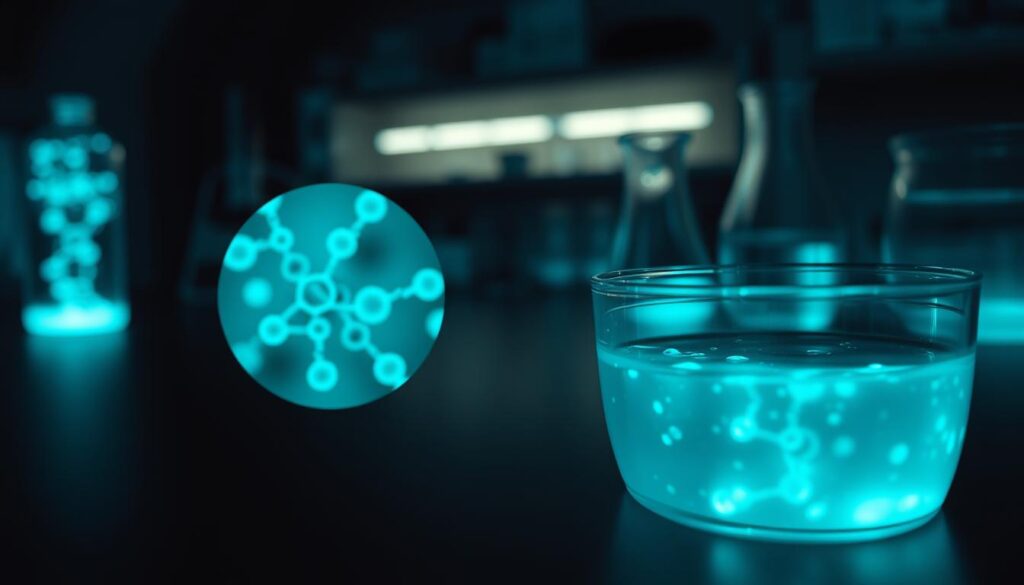
The bioluminescence of fireflies has many uses. It helps them attract mates and warn off predators. Being able to control this light is key for their survival and success in finding mates.
By studying fireflies’ glow, we learn about their amazing adaptations. This knowledge also helps in biotechnology and medical imaging. So, studying fireflies’ bioluminescence is not just fascinating. It also helps science and technology advance.
Firefly Species Around the World
Fireflies are found all over the world, with over 2,000 species. They light up forests in Southeast Asia and meadows in North America. Their glow is a wonder to see.
The Eastern Firefly, Photinus pyralis, is common in the United States. They flash their lights in sync, making them a hit with fans. Dr. Sara Lewis, a firefly expert, says, “The Eastern Firefly shows how fireflies use light to talk to each other.”
“Fireflies are not just a summer delight, but a complex species that have been fascinating humans for centuries.”
Synchronous Fireflies of Southeast Asia
In places like Thailand and Malaysia, fireflies flash together. This creates a stunning light show that draws visitors. The fireflies of Southeast Asia show the amazing variety of fireflies and their special ways.
Fireflies are found all over because of their habitats and human actions. It’s important to protect these creatures for the beauty of our world.
The Life Cycle of Fireflies
The life cycle of fireflies is truly fascinating. It involves four main stages: egg, larva, pupa, and adult. Each stage is unique and important for their growth.
The journey starts with eggs, laid by the female firefly on or just below the soil. The larval stage, also known as glowworms, is special. They glow and eat snails, worms, and small insects.
Glowworms: Fireflies Before Flight
As they grow, the glowworms burrow into the soil to pupate. This is a time of big changes. They transform into flying adults.
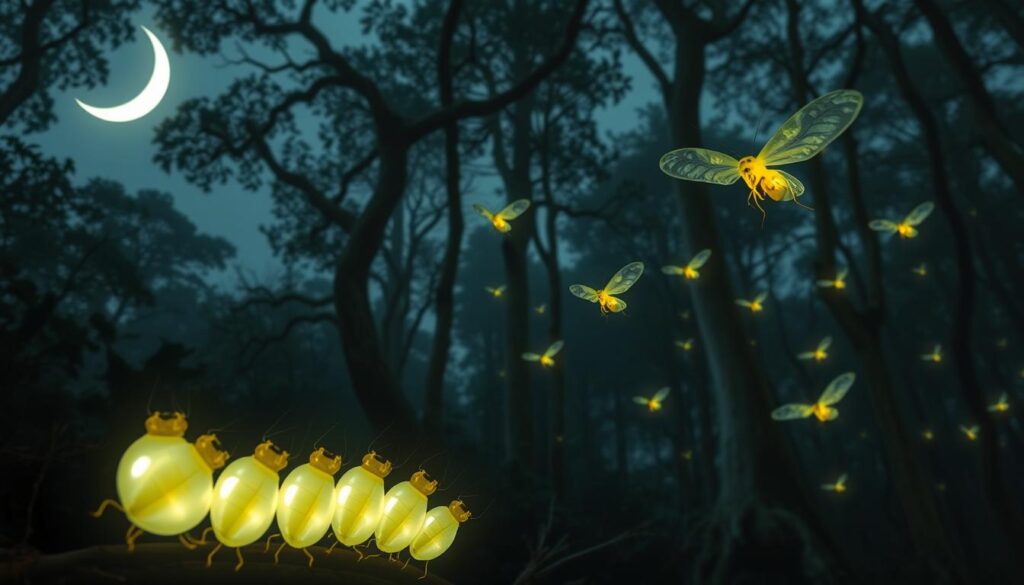
When they become adults, fireflies are most active. They glow to attract mates. Knowing about their life cycle and firefly development helps us understand their unique traits and behaviors.
The Enchantment of Firefly Communication
Firefly communication is a complex process that involves species-specific light signals. This trait has fascinated scientists and nature lovers. Fireflies use their glow to send messages, mainly to find mates.
The complexity of firefly communication comes from their species-specific light languages. Each species has its own flash pattern. This helps them find the right mate. As one expert says, “Fireflies have evolved complex flash patterns to ensure they attract the right partner, a key part of their survival.”
“Fireflies have evolved complex flash patterns to ensure they attract the right partner, a key part of their survival.”
Species-Specific Light Languages
Every firefly species has its own unique flash pattern. This can change in length, brightness, and speed. This uniqueness is key to avoid confusion with other species nearby.
Female Response Behaviors
Female fireflies answer male flashes with their own special responses. This conversation goes on until they are ready to mate. The female’s response is very important. It shows if she is interested in the male.
Studying firefly communication shows how complex their social behaviors are. It also shows why we must protect their habitats. This helps keep nature in balance.
Fireflies in Culture and Art
Fireflies have always fascinated artists and culture lovers. They symbolize love, hope, and inspiration in many cultures. Their glowing lights in the night sky make them a favorite in art.
In Japanese culture, fireflies are called “Hotaru.” They are linked to summer and celebrated in festivals. The Japanese admire fireflies, showing this in their literature, poetry, and art.
Japanese Cultural Connections to Hotaru
For centuries, fireflies have inspired Japanese art. They appear in paintings, haikus, and stories. Their brief light is a symbol of life’s fleeting nature, a key theme in Japanese art.
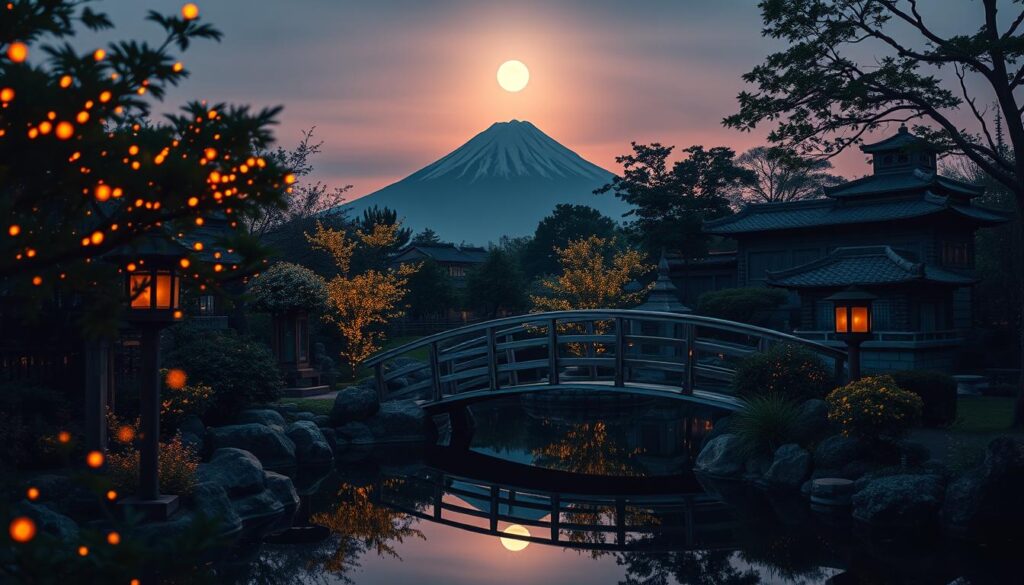
Fireflies’ cultural importance shows their lasting charm. Exploring their connection to art helps us understand their role in cultural heritage.
Best Places to See Fireflies in the United States
America’s diverse landscapes are perfect for seeing fireflies. The United States has many firefly species. Several national parks are great for watching fireflies.
Great Smoky Mountains National Park
Great Smoky Mountains National Park is famous for its fireflies. Every year, people come from all over to see them. The fireflies flash in sync, creating a magical sight.
Congaree National Park in South Carolina is also great for fireflies. Its old-growth forests are perfect for them. Summer is the best time to see many fireflies here.
Both parks offer unique firefly watching experiences. They are perfect for nature lovers, photographers, or anyone who loves fireflies. These places will surely impress you.
Before you go, check the firefly viewing seasons. Also, look for any park rules to enjoy your trip fully.
When and How to Observe Fireflies
Knowing when and how to watch fireflies makes the experience better. They are most active on warm summer evenings, right after sunset. To enjoy firefly watching, you need the right gear and some knowledge.
Equipment and Preparation
To watch fireflies well, you’ll need a few things. Comfortable clothing and insect repellent are key, as you’ll be in one spot for a bit. A red flashlight is best because it doesn’t scare fireflies as much as white light does. Also, having a field guide helps you know which fireflies you see.
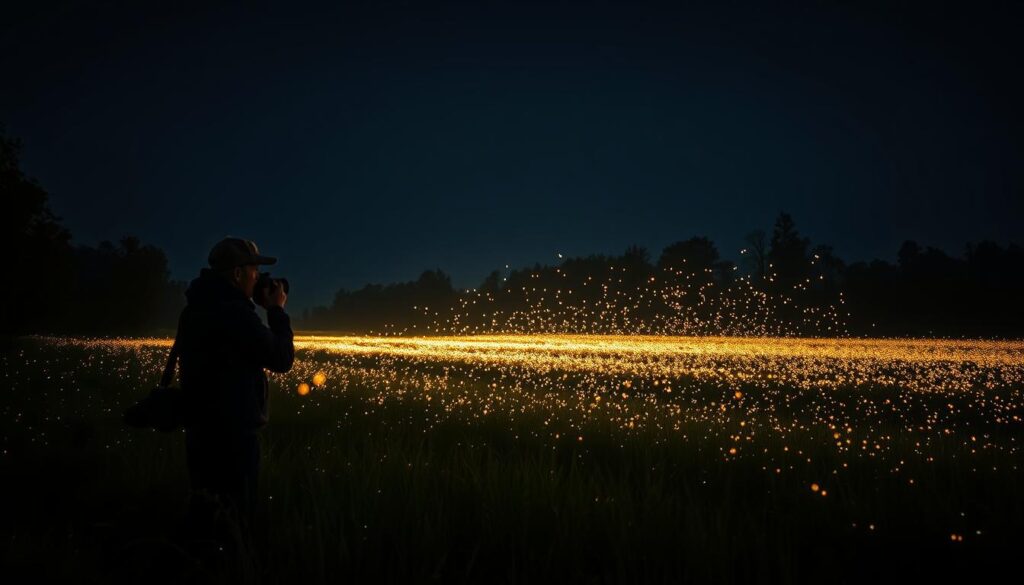
It’s important to respect fireflies’ homes when watching them. Don’t disturb the plants or use bright lights, as they can upset fireflies. Keep a safe distance to not startle them. And don’t put fireflies in jars, as it hurts them. Following these tips lets you enjoy fireflies while keeping their homes safe.
Being ready and respectful makes watching fireflies rewarding. It’s good for you and helps protect these special creatures.
Photography Tips for Capturing Firefly Magic
To capture the mesmerizing display of fireflies, photographers must use specific techniques. These techniques not only yield stunning images but also preserve the fireflies’ habitat. Firefly photography is a unique blend of art and science.
One of the key techniques in firefly photography is using long exposure. This allows the camera to capture the fireflies’ glow over a period, creating a beautiful, ethereal effect. Long exposure times can range from a few seconds to several minutes, depending on the ambient light and the desired effect.
To achieve the best results, use a tripod to stabilize the camera, and set the camera to manual focus. It’s also beneficial to use a remote shutter release or the camera’s self-timer to avoid camera shake.
Minimizing Impact on Firefly Habitats
While capturing the beauty of fireflies, it’s important to minimize your impact on their habitats. Keep a safe distance to avoid disturbing the fireflies and their environment. Avoid using flash photography, as it can disrupt the fireflies’ behavior.
Also, be mindful of the surroundings and refrain from trampling vegetation or disturbing other wildlife. By being respectful of their habitat, you can help preserve the fireflies for future generations to enjoy.
Threats to Firefly Populations
The magical glow of fireflies is facing danger from human actions and environmental shifts. Their numbers are falling due to habitat loss, light pollution, and climate change.
How Artificial Light Disrupts Mating
Artificial light at night is a big threat to firefly populations. It messes with their mating rituals. Fireflies use light to talk and find mates. But, artificial light can overpower their glow, making it hard for them to find partners.
Climate change is also a major threat. It changes the timing of firefly life cycles and their habitats. Changes in weather can mess up the timing of fireflies’ emergence and food availability. This makes it hard for them to survive, further threatening their populations.
As we see firefly populations decline, it’s clear we need to act. We must tackle the effects of artificial light and climate change to save these magical insects. By understanding these threats, we can start to protect firefly populations and their homes.
“The loss of fireflies would not only diminish the natural beauty of our world but also signal broader environmental issues that require our immediate attention.”
Conservation Efforts and How to Help
To protect fireflies, it’s key to know about conservation efforts and how we can help. Firefly numbers are going down because of lost habitats, too much light, and other environmental issues. This makes saving them very important.
One great way to help with firefly conservation is by making our backyards better for them. Small changes can really help.
Backyard Habitat Improvements
To make a firefly-friendly space, we can start by using less artificial light, keeping native plants, and not using pesticides. These steps help create a welcoming place for fireflies.
Community Conservation Initiatives
Many communities are starting community initiatives to save fireflies. These efforts include teaching people, fixing habitats, and studying fireflies. We can help by volunteering, giving money, or telling others why fireflies need our help.
Together, we can really help with firefly conservation. Every little bit we do adds up, and together we can make a big difference.
Preserving the Night’s Living Lights for Future Generations
When we see fireflies light up the summer night, we must think about their future. The choices we make today will shape their world tomorrow. We have a chance to leave a lasting legacy for these glowing creatures.
Learning about fireflies’ glow and their role in nature is key. We must also face the dangers they face. Small steps like reducing light pollution and saving their habitats can help a lot.
Creating a legacy for fireflies means we all have to work together. Local groups, organizations, and people can make a big difference. Together, we can keep the night’s magic alive for future generations.