
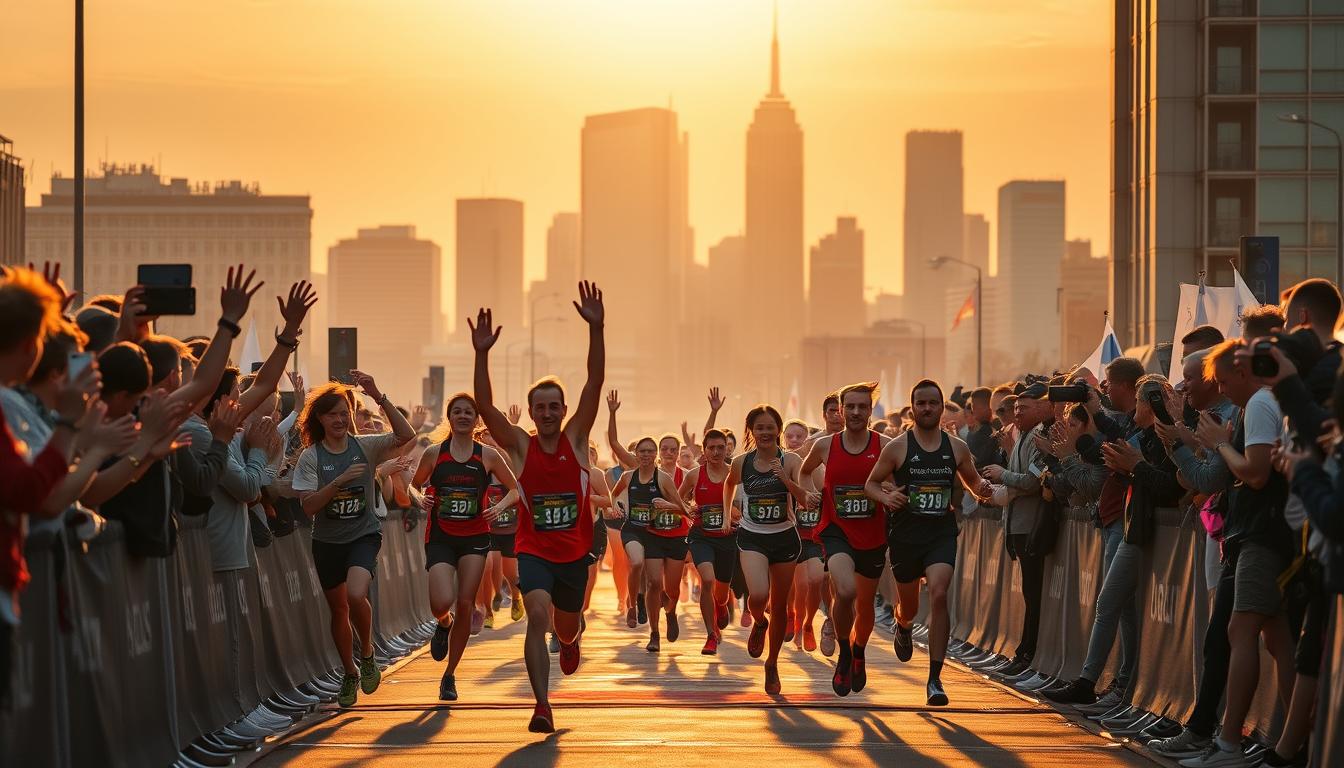
Crossing the marathon finish line is an unmatched feeling. Months of hard training end in pure joy.
The feeling of success is huge, a mix of relief and pride. You’ve worked hard to reach this feat. The pride you feel is incredible.
This euphoria is more than just reaching the finish. It’s about all the early morning runs and staying strong. It shows how strong the human spirit is, overcoming challenges through running.
The Psychological Journey of a Racer
The journey of a racer is filled with mental battles. It involves getting ready, staying strong, and never giving up. Long races change athletes’ bodies and minds deeply.
Overcoming Self-Doubt
Racers often struggle with self-doubt. Sports psychologists say it can hit hard during tough race moments. But, as Nelson Mandela said, “The greatest glory in living lies not in never falling, but in rising every time we fall.”
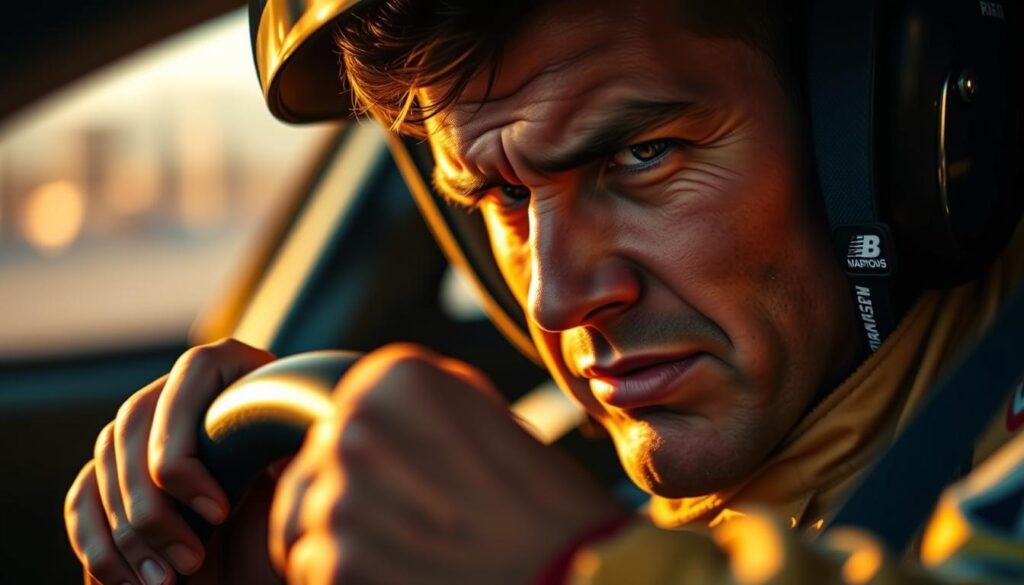
To fight self-doubt, racers use mental tricks like seeing themselves succeed and talking positively to themselves. This boosts their confidence and helps them get through tough times.
Setting Mental Checkpoints
Racers also set mental goals for themselves. They break the race into smaller parts. This helps them stay focused and keep moving, even when the race seems endless.
“The will to win means nothing if you haven’t the will to prepare.” –
This approach helps racers focus on one goal at a time. It keeps them from getting lost in the big picture.
The Science of Race-Induced Euphoria
Racing can trigger a powerful emotional response. Science has some insights into what’s happening beneath the surface. The feeling of euphoria after crossing the finish line is a complex phenomenon.
Endorphins and Their Effects
When we exercise, our body releases chemicals called endorphins. These chemicals behave much like morphine. They can reduce our perception of pain and trigger feelings of positivity and pleasure.
“Exercise is a potent stimulus for endorphin release,” as noted by research. This highlights the significant role these chemicals play in our overall sense of well-being during and after physical activity.

The release of endorphins is a natural response to intense physical exertion, such as that experienced during a race. This natural ‘high’ is part of what makes the experience so rewarding.
Dopamine and Reward Pathways
In addition to endorphins, dopamine plays a key role in the euphoria associated with racing. Dopamine is involved in the brain’s reward pathways. These pathways reinforce behaviors that are essential for survival, such as exercise.
The anticipation and achievement of crossing the finish line activate these pathways. This contributes to the feeling of satisfaction and happiness.
The combination of endorphins and dopamine creates a powerful synergy. This synergy underlies the race-induced euphoria. Understanding these mechanisms can provide insights into why racing and other forms of intense exercise can be so addictive and fulfilling.
“The runner’s high is a real phenomenon, backed by the release of endorphins and other neurotransmitters that induce feelings of euphoria.”
By exploring the science behind race-induced euphoria, we can better appreciate the interplay between our bodies and minds during intense physical activities.
The Physical Experience of Racing
Racing is not just about the excitement but also the hard work before it. Racers go through big changes to get ready. They build endurance and learn training techniques that help them win.
Building Endurance Gradually
Getting better at endurance takes time and effort. Starting with simple steps like walking for 1 hour daily is a good start. As you get better, adding different workouts, like swimming lessons three times a week, can boost your endurance.
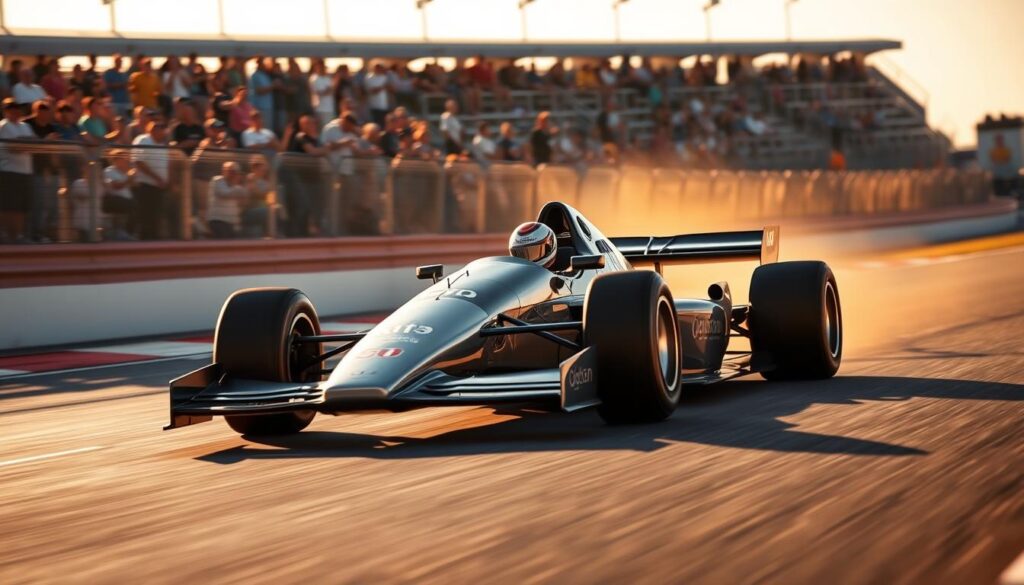
Using race-specific training is key. This includes interval training, hill sprints, and long runs. These help you perform better in the race.
Recognizing Your Body’s Signals
It’s also important to recognize your body’s signals. Paying attention to your body helps avoid injuries and improves performance. Rest and recovery are just as important as training.
The Second Wind Phenomenon
Many racers feel a second wind phenomenon during the race. This is when, even when tired, they suddenly feel more energy. This is because their body adapts to the effort.
As racers go through their physical journey, they learn a lot about themselves. They discover their body’s capabilities and limits. This journey shows how strong and adaptable the human spirit is.
“The only bad workout is the one that didn’t happen.”
Moments That Define the Racing Experience
The racing experience is filled with moments that test your will and strength. Runners often say, “It’s not just about the destination; it’s about the journey.” The journey is filled with challenges that shape your experience and leave a lasting impact.
Summoning Your Last Reserves
One key moment in a race is when you must use your last bit of energy. This part is the toughest, where you feel tired and every step is hard. Runners say they feel a sense of pride and achievement after overcoming this exhaustion.
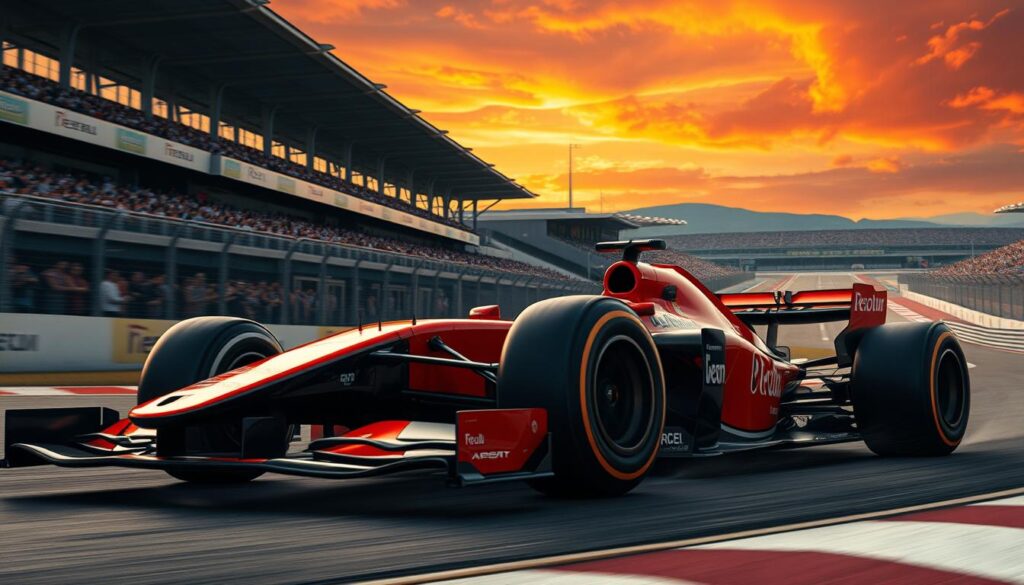
The mental and physical strain during this phase is huge. Runners must find the strength to keep going, even when their bodies want to stop. This moment tests your endurance and willpower.
The Tunnel Vision of the Final Stretch
As you get close to the finish line, “tunnel vision” often happens. This intense focus helps you ignore distractions and push towards your goal. The final stretch becomes a blur as you focus on the finish line, using all your energy to cross it.
“The final stretch is all about mental toughness and the will to finish strong,” says seasoned runner, Jane Doe. “It’s where champions are made.”
This tunnel vision is key to the racing experience. It lets athletes tap into their inner strength and achieve amazing things. It’s a moment that shows the true spirit of racing: perseverance, determination, and the pursuit of excellence.
The Transformative Power of Crossing the Finish Line
Crossing the finish line brings strong emotions. You feel elated, exhausted, and proud. It’s a moment to reflect on your journey.
It’s not just about finishing a race. It shows your dedication, perseverance, and strength. When you cross the line, a mix of emotions hits you. Often, you see tears of joy on runners’ faces.
Tears of Joy and Relief
These tears celebrate your personal victory. They show the relief of all your hard work paying off. It’s a joy that’s hard to describe but deeply felt.
The Sense of Personal Triumph
The feeling of personal triumph is powerful. It comes from going beyond what you thought possible. Crossing the finish line shows your strength and resilience.
Standing at the finish line, you celebrate more than just a race. You celebrate your strength, willpower, and ability to face challenges. This moment changes how you see your capabilities.
Sharing the Euphoria: The Community Aspect of Racing
Racing is more than just winning; it’s about the joy of being together. The thrill grows when you’re surrounded by others. This includes fellow runners, cheering crowds, and your personal support team.
The Unique Bond of Shared Achievement
There’s a special connection among race participants. This bond comes from overcoming challenges together. It creates a sense of unity and friendship.
How Cheering Crowds Enhance the Experience
Cheering crowds add a lot to the race. Their energy gives you a boost of motivation. For example, the Beirut Marathon has fans like Mrs. May Khalil, cheering until the end.
A personal support team is very important. Family and friends cheering for you offer emotional support. Their presence makes the race more enjoyable, turning it into a shared celebration.
The community feeling in racing is key. It’s not just about winning. It’s about the journey together, supported by others who share your joy.
Post-Race Euphoria and Its Lasting Effects
The joy after finishing a race is more than just a quick feeling. It’s a start to lasting changes. Athletes feel both tired and happy, which helps them recover both physically and mentally.
The Physical Recovery Period
After the race, athletes face a key recovery time. They deal with muscle soreness, fatigue, and the need to refill energy. Rest, good food, and water are key to fixing their bodies.
The mind also plays a big part in this joy. Athletes think about their race, figuring out what worked and what didn’t. This thinking helps them grow and get better for next time.
Increased Confidence in Other Life Areas
Winning a race boosts confidence in many areas of life. The discipline, perseverance, and resilience gained through training help in facing new challenges. This confidence gives people the strength to try new things.
Redefining Your Personal Limitations
Racing also helps athletes see their limits in a new light. By going beyond what they thought they could do, they find new strengths. This is a lasting effect of the joy from racing.
After a race, athletes do more than just recover. They use the lessons and feelings from the race in their lives. This makes the joy of finishing a race truly lasting.
From First-Timer to Veteran: How the Euphoria Evolves
Runners change a lot from their first race to later ones. The excitement of finishing a race for the first time grows into a deeper understanding of their abilities. They learn what they can do and what they can’t.
Setting Progressive Goals
Setting progressive goals is a big part of this change. Runners start to aim higher. They might want to run faster, go further, or perform better every time.
For example, a runner might say, “I want to finish on the podium and rank at least third.” This goal pushes them to train harder and do their best.
Trying different race types and distances also plays a big role. Runners like to mix things up by racing on different terrains or at various lengths. This keeps things exciting and challenges them in new ways.
This journey from beginner to seasoned runner is all about growth. By setting new goals and trying different races, runners keep their passion and drive alive.
Why We Chase the Finish Line Feeling Again and Again
Crossing the finish line is more than just a moment of triumph. It’s a feeling that runners chase again and again. The euphoria experienced during and after a race is a powerful motivator.
Running has a profound impact on both mental and physical well-being. It boosts confidence and focus. It’s like a medication that makes you feel more solid, both mentally and physically.
The sense of accomplishment and pride from completing a race is strong. It motivates runners to keep pushing their limits. They feel a sense of growth and progression that fuels their desire to keep moving forward.
Whether you’re a seasoned athlete or just starting out, the finish line beckons. It promises a feeling that’s hard to resist. So, lace up your shoes, hit the track, and experience the euphoria of chasing the finish line for yourself.