
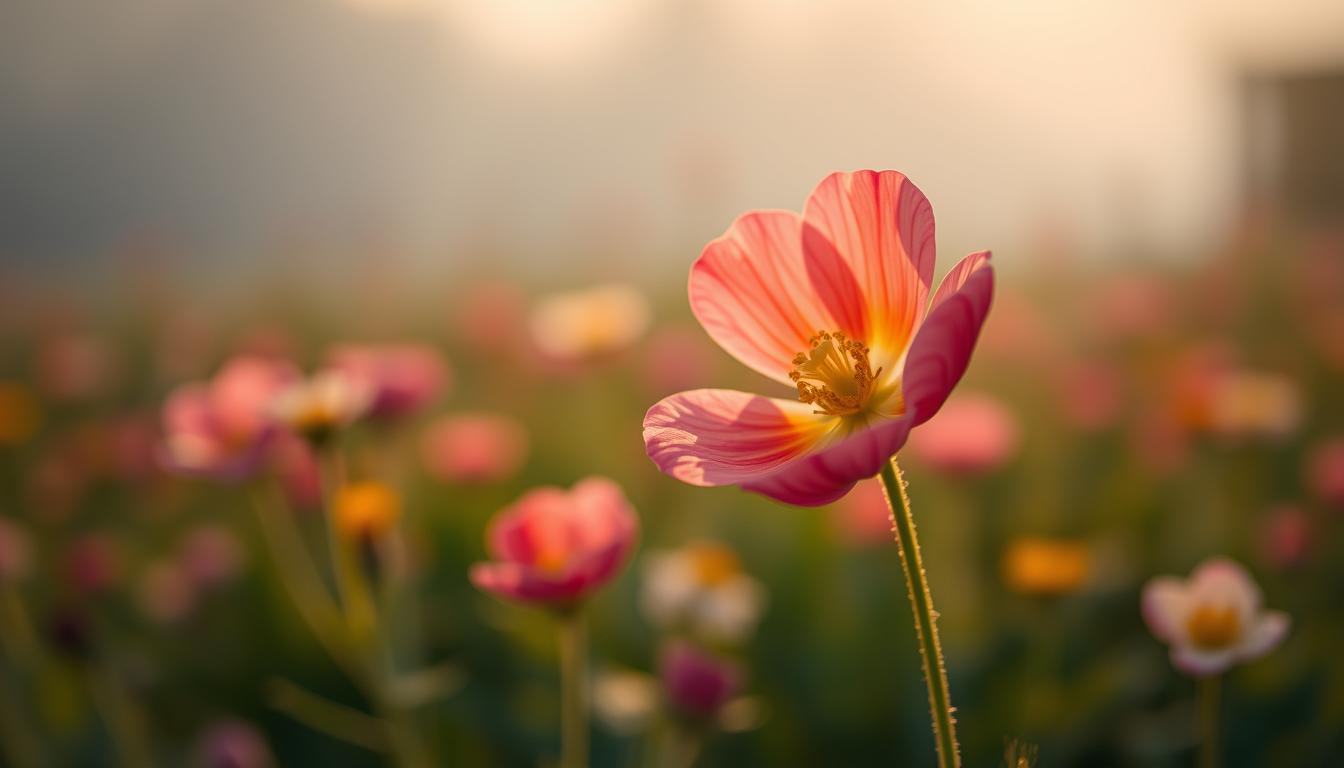
Throughout history, many cultures have linked flowers with deeper meanings. They are often seen as a symbol of hope and resilience. In tough times, these flowers remind us of the strength and beauty that can come out of adversity.
The idea of a “flower of hope” is timeless. It shows the human spirit’s ability to keep going and find comfort in hard times. By looking into these flowers’ meanings, we learn more about their role in showing hope and resilience to us all.
The Origin Story of the Precious Flower
The story of the flower that symbolizes hope is truly captivating. It has been a light in dark times for many. Its importance is deeply rooted in many cultures.
Forget-me-nots, daffodils, and irises each have their own story. Forget-me-nots stand for love and memory. Daffodils symbolize new beginnings and hope. The iris is known for faith, hope, and wisdom in Greek tales.
The history of these flowers is rich and varied. They’ve been used to send messages and express feelings. Their meanings have been passed down, influencing art and culture.
The beauty of flowers goes beyond their looks. They represent our lives and our bond with nature. Learning about the precious flower’s history helps us understand its cultural value.
In summary, the story of the precious flower shows the strength of hope and resilience. Its history and cultural importance inspire and uplift people everywhere.
Physical Characteristics of Hope’s Emblem
Flowers that symbolize hope come in many shapes and sizes. Each one has its own look, showing how different cultures see hope. These flowers stand out because of their unique beauty.
Petals, Stem, and Leaves
The petals of hope flowers are usually bright and colorful. They grab our attention and make us feel good. For example, daffodils, symbols of hope, have yellow petals that mean new beginnings and positivity.
The stem and leaves are important too. Sturdy stems show strength, and leaves mean growth and being in tune with nature.
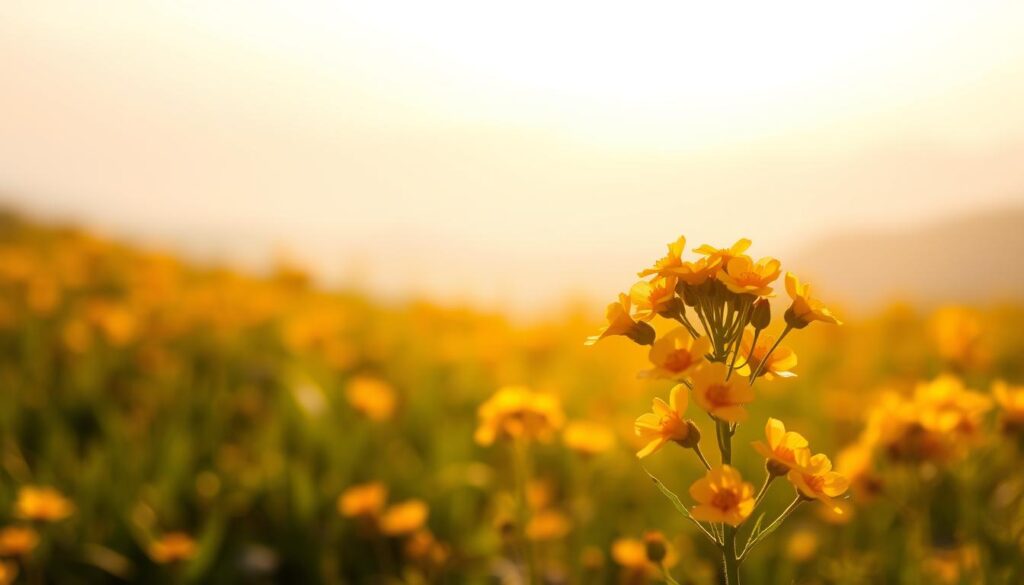
Many hope flowers also have a fragrance that adds to their emotional power. Their scent can make us feel comforted and at peace. Touching or smelling these flowers can be very soothing, helping us in hard times.
In summary, the looks and smells of hope flowers are key to their meaning and comfort. Knowing about these features helps us value these flowers more. They play a big role in our culture and emotions.
The Precious Flower in Cultural History
The precious flower holds a special place in both Eastern and Western traditions. It stands for hope and strength. It has become a part of many cultural practices and rituals.
Eastern Traditions
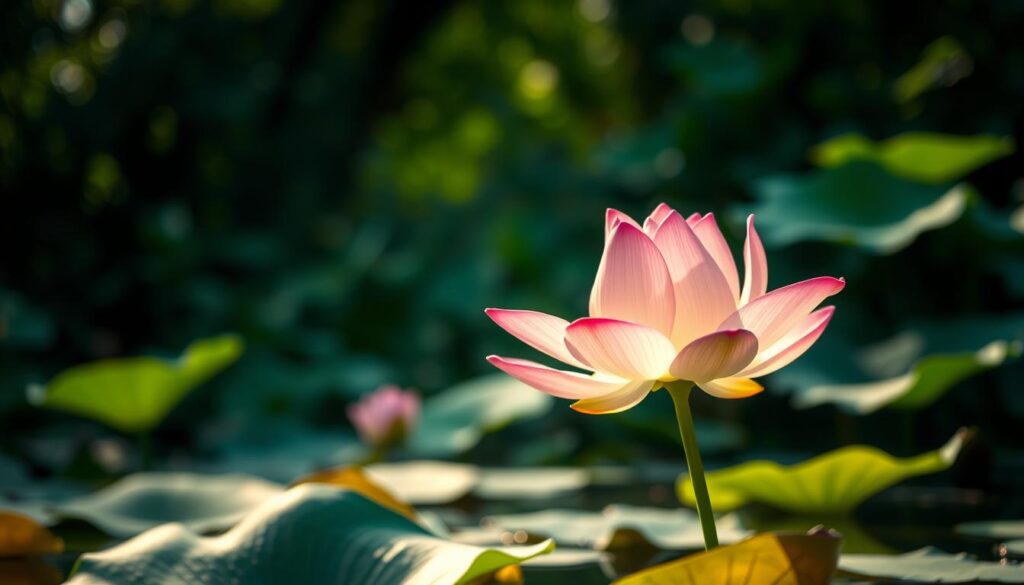
In Eastern cultures, flowers like the lotus are highly valued. The lotus grows in muddy waters but blooms beautifully. It symbolizes overcoming challenges to reach enlightenment. This meaning is deeply rooted in Buddhist and Hindu traditions.
In these traditions, the lotus is often seen in art and literature. It represents spiritual growth.
In Western cultures, flowers like the iris carry deep meanings. The iris comes in different colors, each representing hope, faith, and wisdom. In Greek mythology, the iris was seen as a god’s messenger. This highlights its importance in Western culture.
Flowers are used in many cultural rituals and ceremonies. Whether it’s the lotus in Buddhist rituals or the iris in Greek ceremonies, they symbolize hope and new starts.
The precious flower is a powerful symbol of hope and resilience, whether in Eastern or Western traditions. Its role in cultural history shows our shared quest for meaning and symbolism.
Symbolism and Meaning Across Cultures
Flowers have a deep meaning of hope across cultures. They carry messages of hope and strength. This shows how different cultures see and value hope.
American Symbolism
In America, sunflowers and daffodils stand for hope. Sunflowers symbolize warmth and loyalty with their bright yellow and tall look. Daffodils bring spring, showing renewal and victory over hard times.
These flowers are key in celebrations, showing their importance as symbols of hope. Sunflowers brighten spaces and lift spirits, showing American optimism.
Global Perspectives
Worldwide, flowers mean different things, showing local traditions and values. In Asia, cherry blossoms symbolize hope and life’s shortness. They remind us to enjoy every moment, filling us with hope and gratitude.
In Europe, lilies and tulips tell stories of hope and strength. Lilies stand for purity and beauty, symbolizing hope and renewal. Tulips, with their bright colors, mean love and hope, showing our search for beauty.
Learning about these flowers’ meanings across cultures deepens our appreciation for them. It connects us to the shared human experience of hope. Through these symbols, we see our common humanity, bringing us together in unity and shared values.
Legends and Folklore Surrounding the Flower
Legends and folklore have long been tied to the flower, creating a rich cultural tapestry. These stories have shaped the flower’s symbolic meaning and its cultural and historical importance.
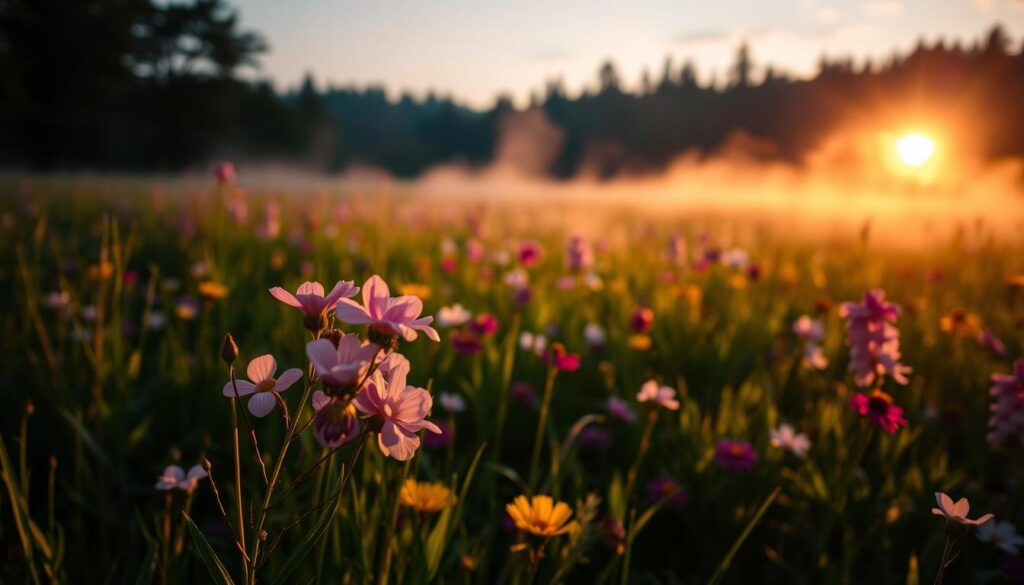
One legend says the flower has healing powers. Healing legends have been passed down, showing the flower’s role in traditional medicine. It’s believed to cure ailments. The forget-me-not, for example, is known for its connection to remembrance and eternal love.
These tales have strengthened the flower’s symbolism, linking it to hope and resilience. Its beauty and healing powers make it a valued part of many cultural practices.
Protective Powers
The flower is also thought to have protective powers. Folklore says it can keep evil spirits away and bring good luck. This belief has made the flower a key part of rituals and ceremonies for protection and prosperity.
The flower’s healing legends and protective powers have made it a symbol of hope and resilience. Through these stories, the flower inspires and comforts people worldwide.
The Precious Flower in Art and Literature
The precious flower has played a big role in art and literature. It often stands for hope and strength. Flowers like the lotus and cherry blossoms have been key symbols, inspiring many works.
In art, the precious flower is shown in many ways. From ancient pottery to modern paintings, it’s depicted with great detail. For example, the lotus flower is a symbol in Buddhist art, representing spiritual growth. Cherry blossoms, on the other hand, symbolize the shortness of life in Japanese art.
In literature, the flower is used to share messages of hope. Emily Dickinson’s poem, “Hope is the Thing with Flowers”, beautifully captures this idea. Flowers in literature add depth and evoke feelings in readers.
“The flower that blooms in adversity is the most rare and beautiful of all.”
The precious flower remains a source of inspiration for artists and writers. Its presence in art and literature reminds us of hope’s lasting power.
Looking at the role of the precious flower in art and literature, we learn about its cultural importance. It shows how flowers have been used to share messages of hope and resilience. This journey enriches our understanding of the flower’s symbolism and its impact on our cultural heritage.
Healing and Therapeutic Applications
Flowers that symbolize hope have been used in many cultures for their healing properties. Their therapeutic uses are growing, helping both emotional and physical health.
Emotional Healing Properties
The emotional healing of hope-symbolizing flowers is deep. They are used in therapy to comfort and soothe. A therapist said, “The presence of these flowers can significantly reduce anxiety and promote a sense of calm.”
A study showed that patients with flowers around them felt less stressed.
“Flowers have a way of making us feel better, and when it comes to hope, they can be specially uplifting.”
Physical Health Applications
These flowers also help with physical health. Some extracts are used in herbal remedies for different health issues.
In summary, flowers that symbolize hope have many healing uses. They offer a natural way to improve both emotional and physical health. This makes them a valuable part of many therapies.
Growing and Caring for Hope’s Symbol
Starting a garden of hope is easy. It’s all about growing flowers that symbolize hope and renewal. Sunflowers and daffodils are perfect examples. They are not just pretty but also carry deep meanings of hope.
Cultivating Hope’s Symbol: First, pick a sunny spot with good drainage. Sunflowers need lots of sunlight and rich soil. Make sure they get at least 6 hours of direct sun.
Caring for Hope’s Emblem: Water them regularly, but don’t overdo it. Too much water can harm the roots. Mulching keeps the soil moist and weeds away.
For daffodils, plant bulbs in the fall. They love well-drained soil and need little care after they bloom. Cutting off the flowers helps the bulb save energy for next year.
By following these tips, you can grow flowers that symbolize hope. They will bring renewal and positivity to your life and garden.
The Enduring Legacy of Nature’s Beacon of Hope
Flowers that symbolize hope have comforted and inspired us for centuries. They remind us of the human spirit’s strength as we face life’s challenges.
The flower in this article shows nature’s power to offer solace. Its lasting impact on our lives is clear. It stands as a symbol of hope when we need it most.
This flower inspires and uplifts people everywhere. It goes beyond its beauty, speaking a universal language of hope. This language crosses cultures and borders.
In a world where hope is often needed, flowers like this one are a reminder. They show us the beauty and strength in nature. Their legacy teaches us to value hope in our lives.