
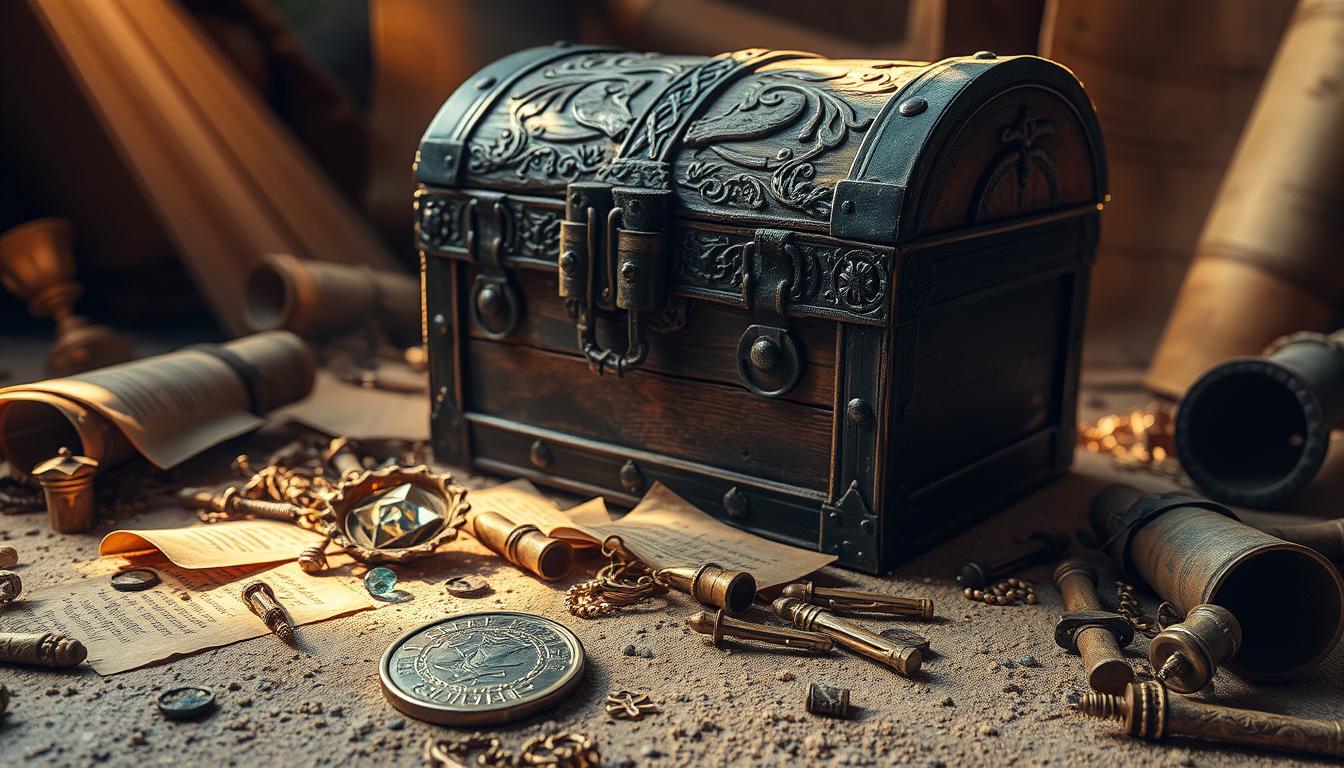
Finding a lost item can be very emotional. It takes you back to a different time. It brings up memories and feelings you thought were gone.
I remember finding a treasured possession that was lost for years. The joy and relief were huge. It showed me how much we cherish things that hold special meaning.
This experience taught me that a lost item is more than an object. It’s a link to our past, memories, and feelings. When we find something we thought was lost forever, it’s like finding a piece of ourselves.
Let’s look into why these lost and found moments are so important to us.
The Moment of Discovery
When I found the lost treasure, I felt a deep connection to it. It was as if the object, once lost, had found a new purpose with me. The Seattle-Tacoma International Airport Lost and Found service holds items for at least 30 days. This gives owners time to find and claim their lost property.
As I held the item, a wave of nostalgia hit me. I thought about the memories it held and the places it had been. The feeling of emotional attachment grew stronger with each moment. It was fascinating to think that this item, once lost, now felt precious to me.
The Feeling of Recognition, The Decision to Keep It
Deciding to keep the item was a big choice. It was a mix of recognizing its value and my growing emotional attachment to it. I saw how memory and nostalgia make us cherish lost objects. The item, now mine, felt like a connection to the past, a story waiting to be told.
In that moment, the item became more than a lost object. It became a keeper of memories and a symbol of unexpected connections with found things.
The Physical Description of My Found Treasure
The object I found is a piece of history that means a lot to me. It’s an antique locket with detailed engravings, showing amazing craftsmanship.
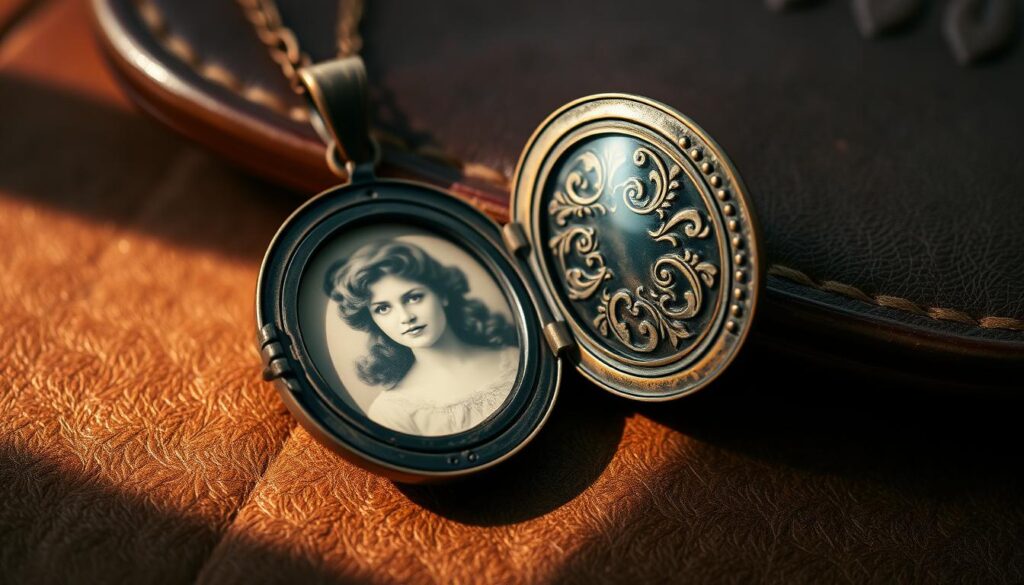
The locket is made of silver and has a warm glow from its age. I saw the fine patterns and initials on it, which tell its story.
Wear Marks and Patina, Unique Identifying Features
The locket has wear and a patina that share its years of love. The marks are not just signs of aging but also make it special.
Its personal significance is clear from the faded photos inside. These details make the locket a cherished possession, linking us to the past.
Having this locket has shown me the value of keeping history alive. It reminds us that even simple things can have big stories and meanings.
The Mystery and History Behind the Item
When I held the lost item, I was filled with curiosity about its history. The object was interesting, but its story was even more fascinating. I wanted to learn more, so I reached out to experts.
The California State Controller’s Office for Unclaimed Property handles lost or forgotten property. They often don’t know where it came from. I talked to a historian who knew about similar cases. They thought the item might be connected to a big historical event, but they weren’t sure.
The expert’s thoughts made me ask even more questions. What was the item used for? Who was its original owner? These questions only added to the mystery of the object. But the search for answers was exciting.
What Experts Revealed, Unanswered Questions
The expert’s insights gave me a better understanding of the lost item’s importance. Some parts of its history were clear, but others were a mystery. This mix of knowledge and mystery made the whole experience more captivating.
This journey taught me that the value of a lost item isn’t just in its history. It’s also in the story it tells. As I kept thinking about the item’s past, I saw that the real treasure was the journey itself.
Why We Cherish Objects Others Have Lost
Lost items often become very special to us. They hold a special place in our hearts. This is because of the emotional attachment we feel towards them. This attachment brings up strong feelings of nostalgia and memory.
The process of
Emotional Attachment Formation
is quite complex. It involves the object’s history, its importance to the previous owner, and how it was found. When we find a lost item, we start to think about its past. This creates a story that connects us to the object.

The object becomes a storyteller. It holds memories and emotions that aren’t ours but feel like they are. This connection makes lost and found objects so valuable. They are a link to the past, to people and events we may never meet but feel a strong bond with.
The nostalgia we feel for lost and found objects is key. Nostalgia is a mix of happiness and sadness. It’s often triggered by objects that remind us of the past. When we hold onto a lost item, we’re not just keeping the object. We’re keeping the memories and feelings it brings up.
In conclusion, our emotional bond with lost objects is complex. It involves the object’s story, our own memories, and the nostalgia it brings. By cherishing these objects, we’re not just keeping the item. We’re keeping the memories and emotions it represents, creating a lasting connection to the past.
My Internal Debate About Finding the Original Owner
When I found the lost treasure, I had to decide what to do. It was a tough choice, filled with moral and ethical thoughts.
One side said the item might have been lost for years. Its owner might have lost hope of finding it. The other side argued that keeping it without trying to find the owner felt wrong.
The Seattle-Tacoma International Airport Lost and Found service uses special software to reunite lost items with their owners. This made me think about how to find the owner of my treasure.
I started by asking people and posting on social media. I hoped someone would know the item. But, as time went by without any news, I began to accept that I might keep it.
Thinking about this was hard. It made me reflect on what it means to own something. I realized finding the original owner was more than just returning an item. It was about respecting its history and memories.
Even though I hope the original owner will find it, I’ve grown to love the item myself. It reminds me of how our lives can change in unexpected ways.
How This Item Changed My Daily Life
The sentimental value of the item keeps growing, touching many parts of my life.
After finding it, my daily life changed a lot. It’s always with me, bringing back the happiness of finding something special. Its personal significance makes it very dear to me.
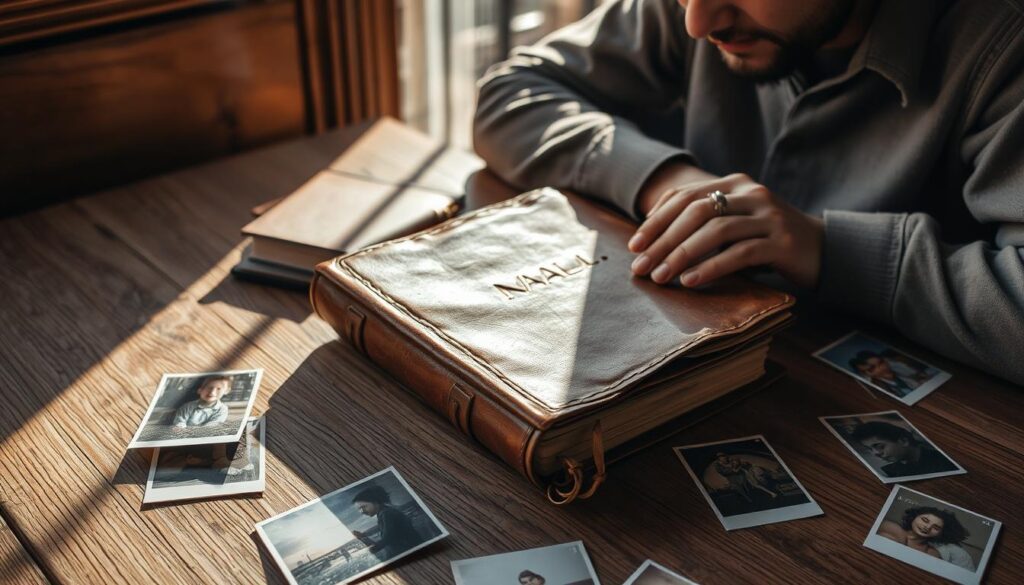
When I showed it to my friends and family, they loved it. They were amazed by its history and how I found it. This led to many interesting talks and stories, adding to its sentimental value.
This item has also made me want to share its story with others. It has brought us closer together. It shows how something simple can deeply affect our daily life, making us value the surprises we find.
Over time, the item has become a treasured keepsake. It reminds me of the joy of finding something unexpected. Its presence keeps inspiring stories and memories, showing how important it is to value such finds.
Remarkable Stories of Others Who Found Treasures
Treasures found by others have amazing stories that grab our attention. These tales share the excitement of the search and the joy of finding something special. They also connect us to the past in a powerful way.
The Flea Market Fortune, The Attic Heirloom
A man found a rare coin collection at a flea market. The seller didn’t know its worth, and the buyer was overjoyed. This find brought him both financial gain and a sense of pride.
A woman found an antique family heirloom in her attic. It was a locket with a note that told its story. This discovery made her feel connected to her ancestors and sparked her interest in family history.
Stories of found treasures remind us of their value beyond money. They are about the emotional and historical significance they hold. These tales inspire us to explore our own histories and value the objects that carry our memories and stories.
“The treasure was not just gold or jewels, but the stories and memories that came with it.”
These stories motivate us to keep searching. Whether it’s at flea markets, in attics, or through family histories, the next great find could be just around the corner.
The Connection Between Lost Items and Memory
Lost items can take us back to another time, bringing up memories and feelings. Finding something we lost is special, not just because of the item itself. It’s because of the memories and stories it holds. These items become treasured possessions, valued for the nostalgia they bring.
The bond between lost items and memory is deep. Each found object tells a story, reminding us of a moment or time in our lives. For example, finding an old photo can bring back a joyful memory. Discovering a piece of jewelry might remind us of a loved one.
The Item as a Conversation Piece, Building Personal Mythology
When we find a lost item, it often starts conversations, sharing stories and memories. This sharing helps build our personal mythology, the stories and experiences that shape us. By keeping these items, we preserve our history.
Lost items also connect us to our past, giving us a sense of continuity and comfort. They remind us that even when things are lost, memories stay, and these memories are key to who we are.
Preserving and Displaying My Special Find
The real value of finding something special is in keeping it safe for years. I take great care in preserving my treasured find.
It’s important to find a balance between keeping it safe and using it. I want to use my treasure, but I must think about its fragility and history. Preservation techniques like storing it in a controlled space help keep it in good shape.
Balancing Preservation and Use
Finding the right balance is key. For delicate or unique items, it’s best to use them sparingly. This way, my cherished possession stays in great condition for a long time.
Displaying my find is more than just placing it on a shelf. It’s about creating a display that tells its story. I use shadow boxes, decorative cases, or even mix it into a bigger piece. The goal is to display it thoughtfully, keeping it a special part of my life.
By preserving and displaying my special find with care, I honor its history. It also brings me joy and inspiration every day. It shows that some treasures are truly timeless.
The Fine Line Between Collecting and Hoarding
Discovering a valuable item makes us wonder if we should keep it. Feeling a strong bond with something is normal. But, this bond can make us confuse collecting with hoarding.
Collecting is about keeping things that matter to us. Hoarding is when we can’t let go of anything, even if it’s worthless. It’s key to understand why we want to keep certain items.
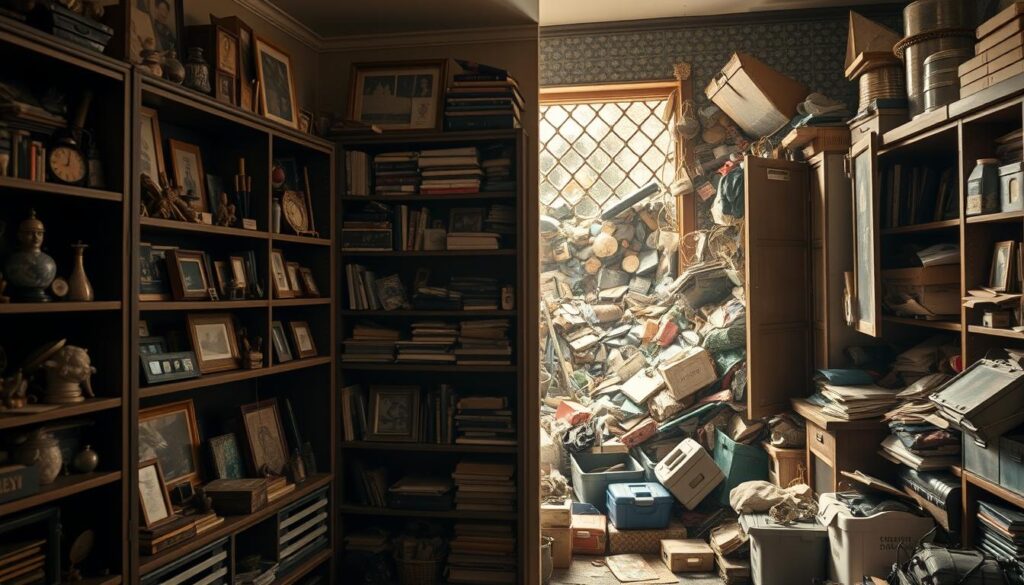
Before deciding to keep something, ask yourself a few questions. Is this item really important to me? Does it have sentimental value or is it useful? Will it make my space cluttered or add to my happiness?
Embracing selective preservation means being careful about what we keep. It’s about choosing items that bring us joy or serve a purpose. This way, we create a collection that reflects our values and experiences.
The Joy of Selective Preservation
Selective preservation is more than just keeping things. It’s about building a collection that shows who we are. By being selective, we can avoid hoarding and keep our space organized.
Ultimately, deciding to keep or let go of an item should be based on our own needs and values. This way, we can cherish our finds without letting clutter take over our lives.
How This Single Discovery Taught Me to Cherish Life’s Unexpected Gifts
Finding that lost item was more than just a chance encounter. It was a lesson in appreciating life’s unexpected twists. Reflecting on the experience, I learned to cherish the surprises life brings.
The item, once lost by someone else, became a treasured possession. It symbolized the beauty of unexpected gifts. It reminded me that sometimes, the most valuable things are those we least anticipate.
This discovery taught me to appreciate the serendipitous moments that make life richer. The journey of finding and keeping this item has been a valuable lesson. It showed me that cherishing something is about the memories and emotions it evokes.
As I continue on my life’s journey, I remain open to the unexpected gifts that come my way. I know they often bring the most significant life lessons.