
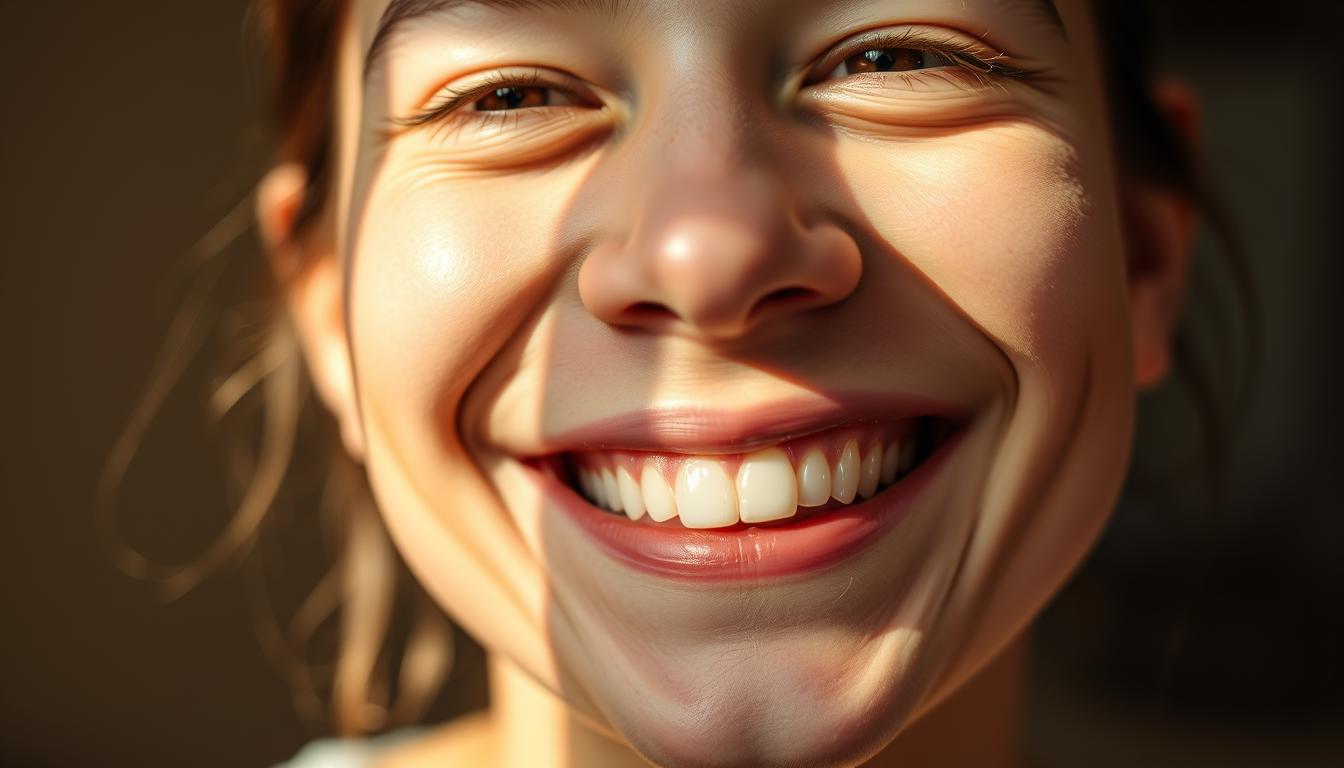
A smile is a universal human expression that shows many emotions. It’s a simple act that greatly affects our interactions and relationships.
From a psychological perspective, smiling is more than a facial expression. It’s a complex signal that can show happiness, friendliness, or even hide emotions. The study of smiles and their meanings is fascinating. It sheds light on human behavior and social dynamics.
As we dive into the psychology behind a smile, we’ll learn about the factors that influence our smiling. We’ll see what it reveals about us. This journey of discovery will help us understand the importance of smiles in our daily lives.
The Universal Language of Smiles
The smile is more than just a facial expression. It’s a sign of welcome, friendship, and warmth. People from all over understand it, no matter where they’re from.
Smiles are key in social interactions. They help ease tension and make us feel connected. They show emotions well, helping us bond with others.
Smiles as Survival Mechanisms
Smiles have helped us survive for ages. They signal we mean no harm or are friendly. This shows how vital smiles are in our history and today’s social life.
Smiling shows how we feel, helping us connect with others. It tells others we’re happy and makes us feel good too. This makes our social bonds stronger.
In short, smiles are essential in how we interact with each other. They help us connect across cultures and show our emotions. This makes them very important in our daily lives.
The Science Behind Your Smile
Smiling is more than just a simple action. It involves many facial muscles working together. It also needs signals from our brain.
The Zygomaticus Major muscle is key for smiling. It connects from the zygomatic bone to the mouth’s corner. When it contracts, it makes our mouth go up, creating a smile.
Orbicularis Oculi: The Key to Genuine Smiles
A real smile also involves our eyes. The Orbicularis Oculi muscle is around the eye. It contracts when we smile truly, making the crinkles around our eyes.
Dopamine, Endorphins, and Serotonin Release
Smiling makes our brain release dopamine, endorphins, and serotonin. These chemicals make us feel happy and relaxed. They help our smiling feel good.
Neural Pathways Activated by Smiling
Smiling turns on special paths in our brain. These paths link our facial muscles to our emotions. This is why smiling can make us feel better, even if it’s forced.
In short, smiling is a complex mix of facial muscles and brain signals. Knowing this helps us understand the meaning of smiling.
Types of Smiles: Not All Are Created Equal
Smiles are more than just a facial expression. They come in various forms with different meanings. Research has shown that smiles can be categorized into different types, each with its own purpose in human interaction.
The discovery of these different smile types has shed new light on human emotions and social behaviors. Studies have found that smiles can be broadly classified into three categories: reward smiles, affiliative smiles, and dominance smiles.
Reward smiles are linked to genuine happiness and joy. They are seen when someone is feeling pleasure or satisfaction. On the other hand, affiliative smiles are used to build rapport and create a sense of connection with others. They are typical in social interactions where people are trying to form bonds or friendships.
Dominance smiles are used to assert power or superiority over others. They are seen when someone is trying to establish dominance or control. Understanding these different types of smiles can provide valuable insights into human behavior and social dynamics.
“The smile is a universal language, but its meaning can vary greatly depending on the context and type of smile.”
Recognizing the different types of smiles can also help us navigate complex social situations more effectively. By being aware of the various smile types, we can better understand the intentions and emotions behind a person’s smile. This leads to more empathetic and meaningful interactions.
In conclusion, the discovery of different smile types has enriched our understanding of human emotions and social behaviors. By acknowledging and understanding these differences, we can harness the power of our smile to improve our interactions and relationships.
The Psychology of Smiling
Smiling is more than a facial expression; it’s a powerful tool for our mental health. When we smile, it can start a chain of positive psychological responses. Studies show that smiling can lower stress and anxiety by releasing endorphins, or “feel-good” hormones.
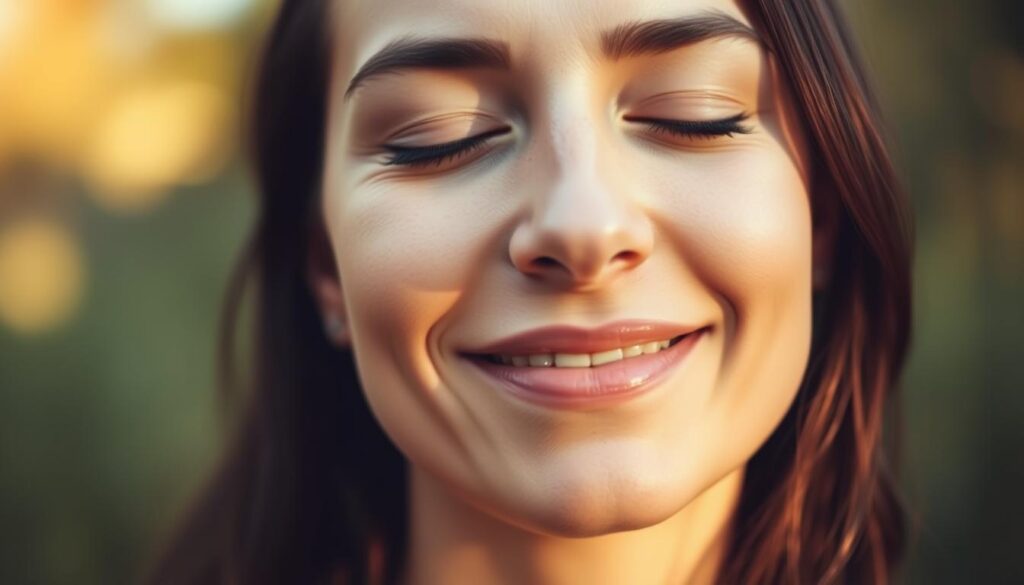
Our facial expressions are closely linked to our emotions. Smiling can actually help manage stress by telling our brain that all is well. This is based on the facial feedback hypothesis, which says our facial expressions can change how we feel.
Smiling also has a therapeutic value. Therapists and counselors often encourage clients to smile as part of their treatment. It can lift our mood and lessen depression symptoms. Plus, smiling makes us seem friendlier and more approachable, improving our social interactions.
Exploring the psychology of smiling reveals its deep impact on our mental health and social connections. By smiling more, we can boost our well-being and create a more positive social environment.
“A smile is a curve that sets everything straight.” – Unknown
Smiles Across Cultures: Surprising Differences
Smiling is a common human expression, but it’s not the same everywhere. Different cultures have their own ways of smiling, showing their unique histories and values.
In Japan, smiling is a big part of the culture. It shows respect, politeness, or can hide true feelings. There are many types of smiles in Japan, each with its own meaning. For example, a smile can mean you’re sorry or embarrassed, not just happy.
Japanese “Smile Culture” and Its Nuances
The Japanese value social harmony a lot, and smiling helps achieve that. People often smile even when they’re not feeling it, to show respect or avoid trouble.
American Smiles and Friendliness Expectations
In America, smiling is seen as friendly and welcoming. Americans smile a lot and often, to start or keep conversations going.
The way Japan and America smile shows how complex emotions and expressions are in our interactions. Knowing these differences is key in our global world, where we meet people from all over.
By understanding and respecting these cultural differences, we can communicate better and more kindly across cultures.
The Discovery of Smile’s Impact on Social Interactions
Smiling is more than just a reflex; it’s a powerful tool in social interactions. It shows how we connect with others. This is a key area of study.
In different situations, a smile can mean different things. But its role in social interactions is clear everywhere. Job interviews are a prime example where a smile can make a significant difference. A genuine smile shows confidence and friendliness, making a great first impression on employers.
Job Interviews and the Smile Advantage
Studies show that smiling in interviews makes candidates seem more competent and likable. This smile advantage is key in job markets where making a good impression is everything.

In leadership, smiling the right way can make you seem more approachable and trustworthy. Leaders who smile are seen as more relatable and open to communication. This creates a better work environment.
Understanding the impact of smiling on social interactions is vital. It shows how important smiles are in both personal and professional life. By knowing the meaning and significance of smiles, we can use them to improve our interactions and build stronger connections.
Smiles in the Digital Age
In today’s world, smiles are more than just facial expressions. They are digital symbols that show our feelings. With the rise of emojis, we can now add tone to our online chats.
Emojis for smiles mean different things in different cultures. For example, a smiling face 🙂 might mean friendliness in some places but not in others. It’s important to know these cultural variations to avoid misunderstandings.
Different cultures use emojis in unique ways. In Japan, emojis for smiles have different meanings based on politeness or friendliness. In Western cultures, smile emojis are used more simply.
“The emoji is a logogram, a graphic symbol that represents a word or phrase. In the context of smiles, emojis have become an integral part of our digital language, allowing us to convey emotions in a way that text alone cannot.”
Misinterpretation Risks in Digital Communication
There’s a big risk of misreading digital messages, like smile emojis. A smile emoji can be seen differently if we don’t understand the context or culture.
As we deal with digital communication, knowing these subtleties is key. It helps make sure our smiles are understood as we mean them.
The Dark Side of Smiles
Smiles are often seen as a sign of happiness. But, they can also hide emotional pain. This is a deep part of psychology. Smiling can show true joy or hide inner struggles.
It’s hard to see when someone hides depression behind a smile. People might smile to hide their emotions. It’s important to know the difference between real and fake smiles to understand others better.
Depression Behind the Smile, Recognizing Authentic vs. Forced Expressions
Real smiles involve muscles around the eyes, called the Duchenne smile. Fake smiles look stiff or only involve the mouth. Knowing these differences helps spot people who might be depressed or upset.
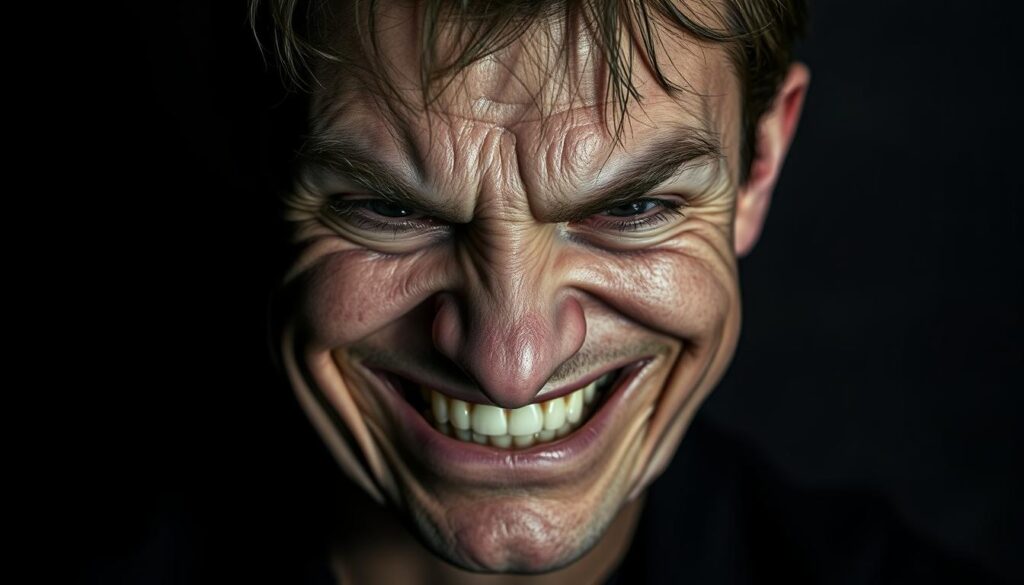
We should be kind and understand that people’s smiles don’t always show their true emotions. This way, we can help create a supportive space where everyone feels safe to open up.
In summary, smiling is full of psychological and emotional layers. By grasping these complexities, we can build stronger bonds and offer support to those hiding behind a smile.
Children and Smiling: Developmental Perspectives
Smiling in children shows how they grow socially and emotionally. Smiling changes a lot from when they are babies to when they are kids.
Reflexive vs. Social Smiling: Babies smile reflexively at first, not because of anything outside. As they get older, their smiles start to show they are happy to see others.
Reflexive vs. Social Smiling
Reflexive smiling is there from the start, happening when they are asleep or feeling something inside. But social smiling comes later, around 6-8 weeks. This is when babies start to really notice and interact with the world and people around them.
When parents and kids smile at each other, it makes a strong bond. This parent-child bonding is key for a child’s growth. It helps them make good friends and relationships later on.
As kids get older, they use smiling in more ways. They learn to tell different smiles apart. This helps them get better at social stuff and dealing with others.
In the end, smiling in kids is a big deal. It shows they are learning to connect with the world. Knowing about this helps parents and caregivers support their kids’ social and emotional growth.
The Health Benefits of Smiling
Smiling is good for our health in many ways. It makes us feel happy by releasing special hormones called endorphins. These hormones help us feel less stressed and anxious.
Smiling also makes us feel better. It can help fight off depression and make us feel more mentally well. Plus, it strengthens our immune system by reducing stress and helping us relax.
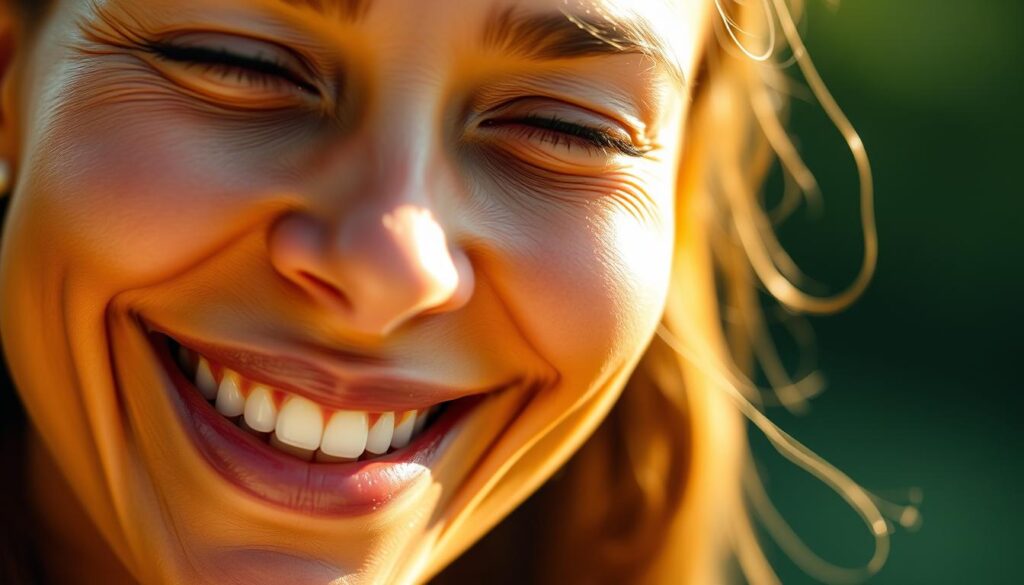
Smiling is also good for our body. It can lower our blood pressure and even help prevent heart disease. By smiling every day, we can improve our health and feel better overall.
Discovering how smiling is good for us shows how important it is to stay positive. Understanding the power of a smile can change our lives for the better.
Famous Smiles That Changed History
The power of a smile is huge. It can shape famous people and big events. Some smiles are remembered by many, changing how we see people and events.
Marilyn Monroe’s Signature Smile is a great example. Her bright smile won over fans everywhere. It was a key part of her movie image and public charm. Her smile showed her beauty and made her seem friendly and easy to talk to.
Marilyn Monroe’s Signature Smile
Monroe’s smile was seen as effortless and genuine. But it was also a big part of her image. Her smile made her more relatable and loved by her fans.
The Joker’s smile from Batman is different. It’s scary and shows his wild side. His grin makes us feel fear, not warmth. This shows how a smile can mean many things, like evil or madness.
Looking at these famous smiles helps us understand smiling better. It shows how a smile can change how we see things. By studying these smiles, we learn more about how expressions and perceptions are linked.
Embracing the Power of Your Smile
Smiling is a universal language that can bridge cultural divides and foster meaningful social interactions. By understanding the science behind your smile, you can harness its power to improve your personal and professional relationships.
A genuine smile can make a lasting impression, as seen in the famous smiles that have changed history. By embracing the power of your smile, you can boost your mood, reduce stress, and even improve your overall health.
Smiling is not just a simple facial expression; it’s a powerful tool that can transform your life. By being mindful of your smile and using it to connect with others, you can create a more positive and supportive community.
Incorporating a genuine smile into your daily interactions can have a profound impact on your social interactions and overall well-being. So, let’s make a conscious effort to smile more, and in doing so, create a ripple effect of kindness and compassion that can spread far and wide.