
In times of sorrow, a shared tear can be a powerful symbol of compassion. It reminds us we’re not alone in our struggles.
Biblical stories and personal experiences show the power of compassion and God’s care. When we come together in need, we find comfort and healing.
This article will explore the significance of tears and compassion in our lives. It shows how they bring us closer to God’s care.
The Transformative Power of Shared Emotions
Shared emotions have a transformative effect on us and our communities. They foster empathy and compassion. When we share our feelings, we form a bond that goes beyond our differences.
The story of the Good Samaritan shows this well. A man was beaten and left by the road, ignored by others. But a Samaritan, despite their past differences, showed him compassion and empathy. This act changed the man’s day and showed the power of shared human feelings.
In our lives, shared emotions bring us together. Whether it’s mourning a loss or celebrating a joy, the transformative power of shared emotions is clear. It brings us unity and understanding.
As we face our complex world, recognizing and embracing our shared emotions is key. It helps build stronger, more compassionate communities. By doing this, we heal ourselves and help create a more empathetic society.
“The soul is healed by being with children, and it is healed by being with the ancient dead, and it is healed by being in the presence of those who are living with the wholeness of their passion.”
This quote captures the healing power of shared human experiences and emotions. It highlights the importance of empathy and compassion in our lives.
Setting the Scene: A Community at a Crossroads
Our community was at a crossroads, needing collective support more than ever. This moment tested our society’s unity and understanding.
The idea of vulnerability was key. It meant being open, sharing fears and struggles. This created a base for healing.

During tough times, our community‘s importance grew. It was about being there for each other and feeling safe. This sense of belonging helped us heal together.
The journey ahead was hard, but our shared experiences made it easier. Our openness and vulnerability strengthened our bonds.
Standing at that crossroads was a turning point. It started a new chapter where we support each other, facing challenges together.
The Faces in the Room: Our Diverse Community
Our community is a vibrant tapestry, woven from diverse experiences and perspectives. This diversity is a strength that fosters understanding and empathy among its members.
People from different backgrounds make up our community. Each brings their own stories and experiences. This mix of cultures, ages, and professions enriches our environment, allowing us to learn from each other.
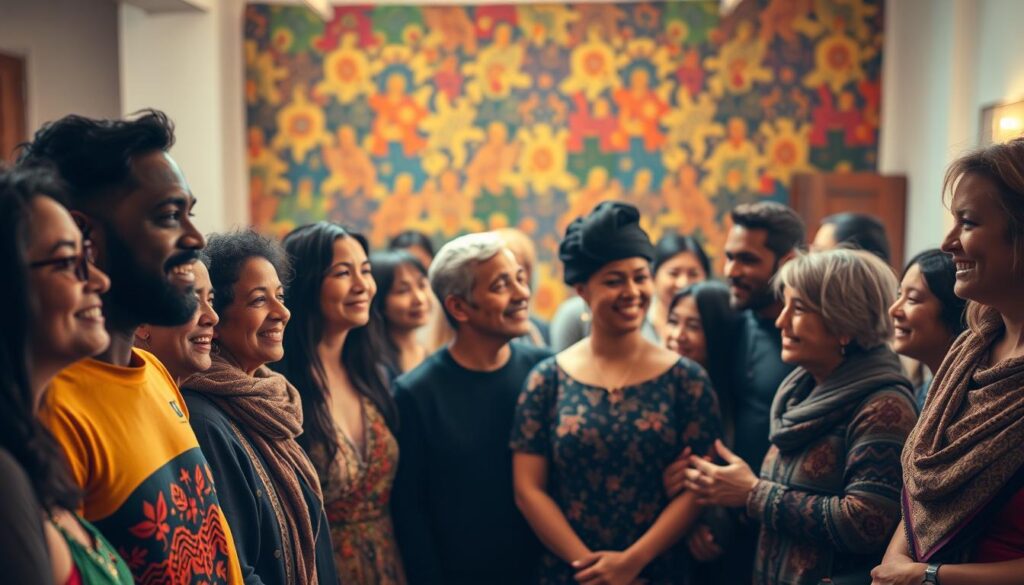
We celebrate our differences, seeing our diversity as a strength. The story of Pentecost reminds us of this. It shows how diversity brings us together, enabling us to understand and empathize with each other.
Building empathy and understanding in our community is ongoing. We strive to make everyone feel seen and heard. By sharing our stories without fear, we strengthen our bonds and create a place where everyone can flourish.
Our diverse community shows the power of unity in diversity. As we grow, we remain dedicated to celebrating our differences. We aim to foster a culture of empathy and understanding.
The Catalyst Moment: What Broke the Dam
The catalyst moment is key in building community and compassion. It’s the spark that sets off a chain of emotions. This leads to a deeper connection among people. By looking at how vulnerability plays a role, we understand its power to bring about change and compassion.
Vulnerability is central to the catalyst moment. When we open up about our vulnerabilities, empathy and understanding grow. This shared feeling brings people together, forming a community that supports each other.

The story of Joseph and his brothers in the Bible shows the power of a catalyst moment. When Joseph revealed his true identity, it was a moment of vulnerability. This led to deep compassion and understanding among them. It broke down old barriers, uniting them as a community.
In our lives, we can spark catalyst moments by being open. Sharing our fears, hopes, and dreams connects us. This openness can lead to positive change, as we support each other and spread compassion.
The catalyst moment isn’t just about big events. It can be a small, quiet moment between two people. By embracing these moments, we can build a more compassionate and understanding community.
The Shared Tear: When We All Felt the Same Pain
The tear that fell was more than just a sign of pain. It connected us all in a moment of shared understanding. It was a moment that went beyond personal sorrow, becoming a shared experience. This experience fostered empathy and compassion among everyone there.

In that instant, the room felt united. The shared tear had brought everyone together. This is not new; even ancient stories show the power of shared tears in bonding people.
The story of Jesus weeping with the sisters of Lazarus is a great example. His emotional connection with their pain showed his human side. It created a deep sense of empathy.
Understanding the Emotional Connection
Sharing a common experience creates a deep emotional bond. It shows we’re not alone in our pain or sorrow. Seeing others be vulnerable gives us the courage to be open too.
This shared experience can heal us. By sharing our pain, we heal together. The act of sharing a tear strengthens our community bonds.
In our story, the shared tear was more than sorrow. It showed our ability for emotional connection and compassion. It reminded us that even in darkness, we’re not alone. Together, we can heal and move forward.
Beyond the Moment: What Our Tears Revealed About Us
Tears show our true selves, revealing our compassion and self-discovery. They prove we’re not weak but connected. This connection is key to understanding ourselves and others.
In the story of Jesus weeping at Lazarus’ tomb, we see a powerful lesson. Jesus’ tears showed his own pain and humanity. This teaches us that being vulnerable is a shared experience.
Reflecting on our tears, we see they’re part of a bigger story. They show our empathy and compassion. This means we’re not alone in our struggles.
Crying together creates a special bond. It’s a moment of shared understanding that goes beyond words. In these moments, we find the courage to heal and move on.
Our tears remind us of our shared humanity. They symbolize the love and compassion that connects us. As we explore our emotions, we learn to celebrate our tears. They show our love and connection to others.
The Ripple Effect: Changes Born From Vulnerability
Being vulnerable can start a ripple effect that changes lives. This idea is shown in the story of a woman who poured expensive perfume on Jesus. Her act of vulnerability and love touched Jesus and changed her community.
The ripple effect of vulnerability is not just about big actions. It can begin with small, everyday moments of openness. When we share our true feelings, we create a safe space for others. This builds a culture of compassion and understanding.
“Vulnerability is not winning or losing; it’s having the courage to show up and be seen when we have no control over the outcome.”
Embracing vulnerability leads to changes in our communities. People become more empathetic and supportive. A sense of unity grows. This is the power of the ripple effect, where one person’s vulnerability inspires others.
By being vulnerable, we change our lives and contribute to a bigger movement. As we share our stories, we strengthen our community bonds. This creates a more supportive and empathetic place for all.
From Individual Pain to Collective Healing
Being vulnerable can turn our pain into a shared sense of compassion. This journey shows that our experiences, though different, are linked. It’s about understanding we’re all in this together.
The story of Joseph in the Bible is a great example. Despite being sold into slavery by his brothers, Joseph chose forgiveness. His story teaches us that healing is not just for one person but for all of us. It’s about empathy and understanding.
When we share our stories of pain, we help everyone heal together. This sharing builds empathy and compassion. It connects our individual stories to a shared understanding.
The strength of collective healing is in turning our pain into a shared purpose and compassion. By being open and supporting each other, we heal more deeply.
As we move from personal pain to healing together, we learn a valuable lesson. Compassion is what connects our experiences. It’s through compassion and empathy that we see the true power of healing together.
The Tear We Stil Remember: A Symbol of Our Humanity
The shared tear is a lasting symbol of our shared humanity. It shows a moment when compassion and empathy united us. This tear, shed in a moment of openness, reminds us of the power of shared feelings to change and heal.
Looking back, we remember the biblical story of Jesus crying with Mary and Martha over Lazarus’s death. This story shows the value of empathy and kindness in sorrow. It shows that shared tears can help heal and bring us closer together.
The shared tear is a powerful reminder of our shared humanity. It encourages us to grow in compassion and empathy. As we work to build a more caring and understanding community, we honor that tear and the moment it symbolized.